
 By admin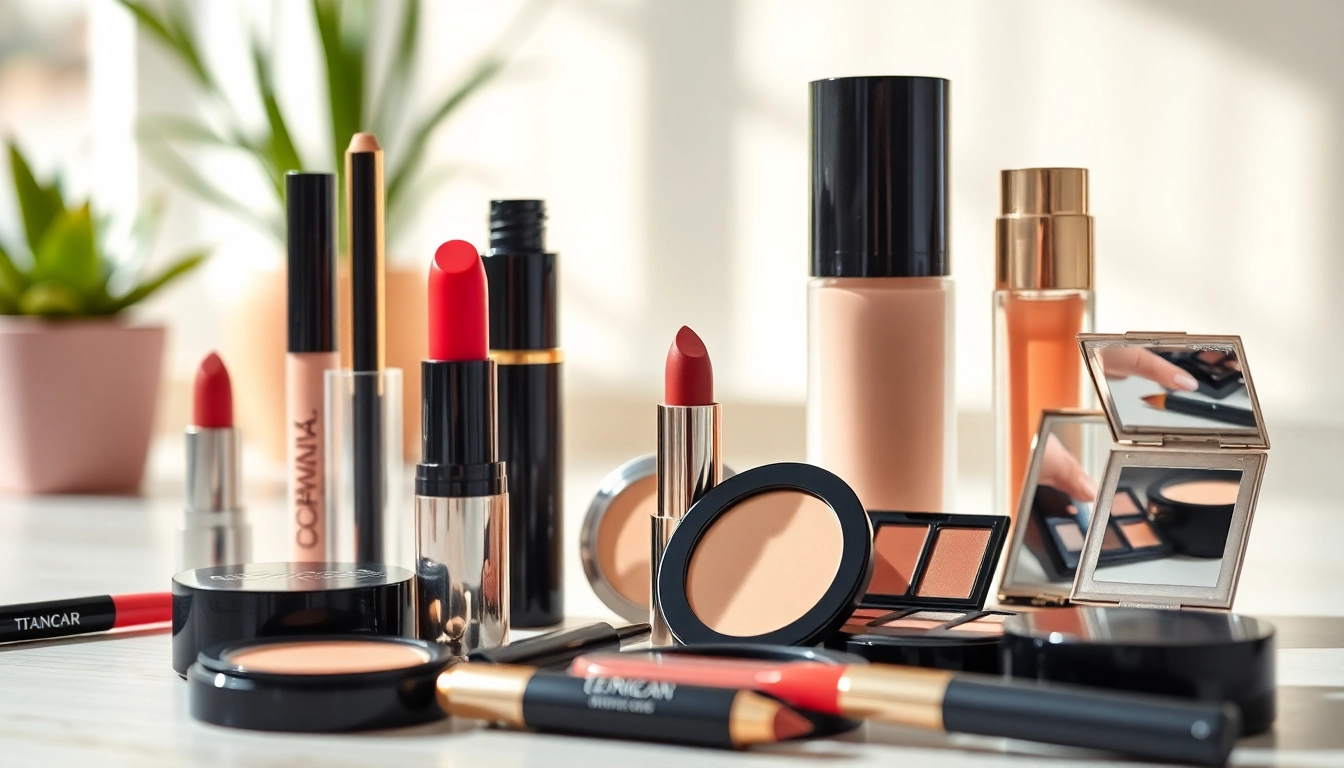
Understanding the Wholesale Make Up Market
What is Wholesale Make Up?
Wholesale make up refers to the practice of purchasing cosmetic products in bulk from manufacturers or distributors at a lower price, with the intent of reselling them at a profit. This business model is common among retailers, beauty supply stores, and online makeup boutiques. By buying wholesale, retailers can access a wider variety of products, often including exclusive or niche items that aren’t available at retail prices. The market has evolved significantly with the rise of e-commerce, allowing for a vast array of options directly from suppliers.
Benefits of Buying Wholesale Make Up
There are numerous advantages to investing in wholesale make up, making it appealing for many entrepreneurs. Firstly, buying in bulk reduces the cost per unit, permitting higher profit margins on reselling. Secondly, it allows businesses to offer competitive pricing to customers, which can enhance sales volume. Additionally, wholesalers often provide access to a diverse range of product lines that can attract different customer segments. Retailers also benefit from reduced shipping costs typically associated with bulk orders. Lastly, establishing a strong relationship with wholesale suppliers can lead to favorable credit terms and exclusive product offerings.
Identifying Your Target Audience
To effectively sell wholesale make up, identifying your target audience is crucial. Various demographics exist in the beauty industry, including age, gender, and income level, which can influence purchasing behaviors. Younger consumers may lean towards trendy brands and social media-driven products, whereas older consumers might prioritize quality and established brands. Market research, surveys, and analyzing customer feedback can provide insights into who your audience is and what they desire in cosmetic products. Understanding these aspects enables retailers to tailor their inventory and marketing strategies accordingly, enhancing their chances of success.
Finding Reliable Wholesale Make Up Suppliers
Key Factors to Consider When Choosing Suppliers
When sourcing wholesale make up, several factors should guide the selection process for suppliers. Firstly, the supplier’s reputation is vital; consider their history in the industry, customer reviews, and presence in the market. Quality assurance is another critical factor; ensure that products meet safety and regulatory standards. Furthermore, assess the supplier’s product range and availability to ensure they align with your business needs. Finally, consider logistic capabilities, including shipping times and costs, which can significantly impact your operations and customer satisfaction.
How to Evaluate Supplier Legitimacy
Evaluating supplier legitimacy is essential to avoid scams and ensure product quality. Begin by researching the supplier online and checking their business credentials. Reviewing customer testimonials and third-party reviews can clarify their reliability. Consider requesting samples of products to assess quality firsthand. Additionally, check if the supplier is registered with relevant industry associations or certifications, which can add a layer of credibility. Engaging in a conversation or meeting with the supplier can also provide personal insight into their operations and professionalism.
Top Platforms for Sourcing Wholesale Make Up
Several platforms cater to those looking to source wholesale make up effectively. Online marketplaces like Alibaba and Faire connect retailers to numerous suppliers with a variety of products. For those preferring more specialized services, beauty-centric marketplaces like Tundra offer curated selections that may include indie brands as well as established names. Additionally, attending trade shows or beauty expos can facilitate personal connections with suppliers, allowing for direct negotiation and understanding of their products. Local beauty supply wholesalers are also an option for those seeking immediate inventory access.
Wholesale Make Up Pricing Strategies
Understanding the Cost Structure of Wholesale Make Up
A comprehensive understanding of the cost structure associated with wholesale make up is vital for a successful business. Costs can be divided into several categories, including product purchase costs, shipping and logistics expenses, and overheads related to storage and handling. Retailers must also consider mark-up pricing strategies that reflect their positioning in the market. Analyzing competitors’ pricing may provide insights into setting competitive yet profitable price points.
How to Price Your Wholesale Make Up for Profit
Establishing a pricing strategy is crucial for maximizing profits on wholesale make up. A successful approach is to adopt a keystone markup method—doubling the wholesale cost’s value. This strategy ensures a relatively healthy profit margin while remaining competitive. However, dynamic pricing can also be utilized, where prices are adjusted based on factors like demand, exclusivity, or seasonal trends. Establishing loyalty programs and customer incentives may enhance sales without compromising profit margins.
Negotiating with Suppliers for Better Rates
Mastering the art of negotiation is key to securing favorable terms with wholesale suppliers. Building a good relationship, presenting a history of your business’s success, and demonstrating your demand can bolster your negotiating position. Additionally, being aware of industry standards for pricing can empower you in discussions about discounts or favorable shipping terms. Always approach negotiations with respect and professionalism, as long-term partnerships with suppliers can significantly benefit your business.
Marketing Your Wholesale Make Up Products
Creating an Effective Marketing Plan
Creating a strategic marketing plan for wholesale make up is essential to penetrate the market and attract customers. Begin by defining your unique selling proposition (USP)—what sets your makeup products apart from competitors? A well-rounded marketing plan should include digital marketing, social media strategies, and potentially influencer collaborations to widen reach. Employing metrics-driven marketing tactics will enable you to analyze the effectiveness of various strategies and adjust as necessary.
Utilizing Social Media to Boost Sales
Social media is an invaluable tool for marketing wholesale make up. Platforms like Instagram, TikTok, and Facebook are vibrant spaces where beauty products thrive through visuals and user engagement. Strategically create memorable content that resonates with your audience—think tutorials, user-generated content, or beauty tips. Collaborating with beauty influencers can amplify your reach, producing authentic user experiences that attract new customers while retaining existing ones.
Building Customer Loyalty in the Makeup Industry
Fostering customer loyalty is essential in the competitive makeup industry. Establishing loyalty programs, offering exclusive deals for repeat customers, and encouraging feedback can significantly enhance client retention. Utilizing personalized marketing, such as tailored emails offering discounts based on previous purchases, cultivates a welcoming environment for customers. Remember, exceptional customer service can turn a one-time buyer into a loyal advocate for your brand.
Performance Metrics for Your Wholesale Make Up Business
Key Performance Indicators to Track
Monitoring specific Key Performance Indicators (KPIs) is crucial for measuring the success of your wholesale make up business. Key metrics to track include sales volume, customer acquisition cost, return on investment (ROI), and customer lifetime value (CLV). These indicators provide actionable insights into the effectiveness of your marketing strategies, inventory management, and overall business performance. Regularly analyzing these metrics can assist in identifying areas of improvement and potential growth.
How to Analyze Sales Data Effectively
Effectively analyzing sales data revolves around understanding trends and recognizing customer behaviors. Utilize tools like Excel spreadsheets or sales tracking software to compile data and establish patterns, such as peak purchase times or popular product preferences. Correlating this data with marketing activities can illuminate which efforts yield the best results, allowing for informed decisions regarding future strategies and investments.
Adjusting Strategies Based on Market Trends
Remaining adaptable to shifting market trends is essential in maintaining relevance in the wholesale make up industry. Actively keep an eye on emerging trends through market research, customer feedback, and competitor analysis. Historical data on product performance can indicate areas that may require strategic pivots. Being proactive in these adjustments ensures that you continue to meet customer demands and capitalize on new opportunities, resulting in sustained business growth.
FAQs About Wholesale Make Up
What is the minimum order quantity for wholesale make up?
The minimum order quantity can vary widely by supplier, typically ranging from low quantities like 10 pieces to hundreds. It’s important to check individual supplier restrictions.
Is it profitable to sell wholesale make up?
Yes, selling wholesale make up can be profitable with the right marketing strategies, supplier relationships, and pricing models that align with market demand.
How do I choose the right products to sell?
Research market trends, and assess your target audience’s preferences to curate a compelling product lineup that meets demand and aligns with your brand identity.
Can I return unsold products to suppliers?
Many suppliers have specific return policies, so it’s crucial to discuss these terms upfront to avoid potential complications with excess inventory.
What marketing tactics work best for wholesale make up?
Effective marketing tactics include social media engagement, influencer partnerships, email campaigns, and loyalty programs that incentivize repeat purchases.