
 By admin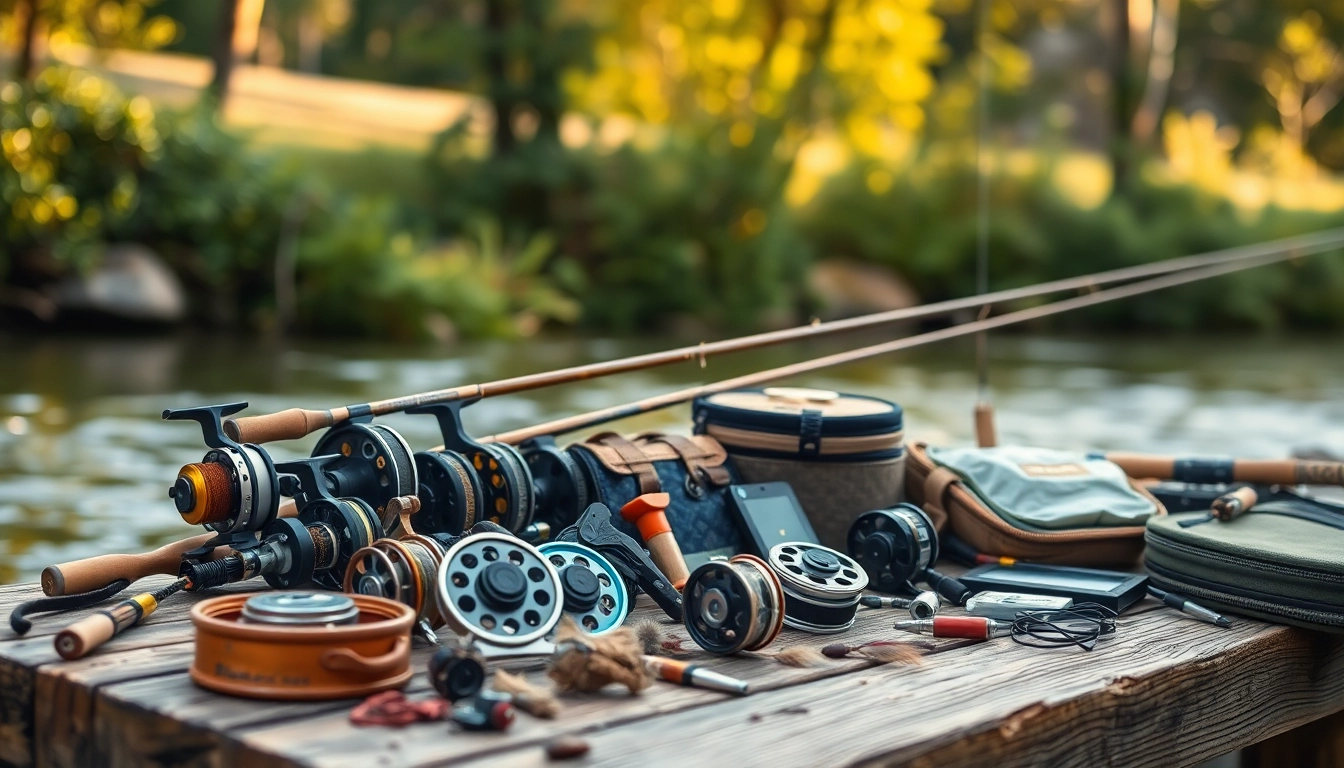
Understanding Fly Fishing Accessories
What are Fly Fishing Accessories?
Fly fishing is a captivating angling method that relies on an artificial “fly” to lure fish. Integral to successful fly fishing are the fly fishing accessories that enhance the experience. These accessories can range from tools that aid in casting to items that help store and organize gear. Understanding what these accessories are and their functionality is crucial for both beginners and seasoned anglers alike.
Importance of Quality Gear
The quality of fly fishing gear significantly impacts your overall fishing experience. High-quality accessories contribute to better performance, durability, and convenience. For example, premium fly boxes provide better organization and protection for your flies, while high-end reels can improve casting accuracy and line retrieval speed. Investing in quality gear can also lead to easier maintenance and longevity, ensuring that your equipment serves you well across many fishing excursions.
Common Types of Fly Fishing Accessories
There’s a wide assortment of fly fishing accessories available on the market, each serving a unique purpose:
- Fly Boxes: Essential for storing and organizing flies to ensure easy access.
- Forceps: Useful for removing hooks from fish or handling flies.
- Leaders and Tippets: These are necessary for connecting flies to lines and help improve presentations.
- Strike Indicators: Indicators help detect strikes from fish more easily.
- Tool Kits: These typically include essential tools like bobbin holders, scissors, and whip finishers for fly tying.
Choosing the Right Fly Fishing Accessories
Key Features to Consider
When selecting fly fishing accessories, it’s essential to consider factors that will affect your performance:
- Durability: Accessories that withstand harsh weather and water conditions are vital.
- Weight: Lightweight tools and accessories help minimize fatigue during long fishing trips.
- Ease of Use: Accessories should be user-friendly, especially for beginners.
- Compatibility: Ensure your accessories are compatible with your existing equipment.
Matching Gear with Fishing Conditions
Understanding the different fishing environments is crucial for selecting the right accessories. For example:
- Still Water: Requires accessories that are designed for greater stability and ease of casting.
- Running Water: Focus on accessories that allow for quick adjustments to cope with variable currents.
- Saltwater Fishing: Opt for corrosion-resistant accessories to endure the saline and harsher environment.
Budget-friendly Options
Not every fly fishing accessory needs to break the bank. Many budget-friendly options offer excellent performance:
- Basic Fly Boxes: Available at a fraction of the cost while still providing functionality.
- Essential Tools: A basic tool kit can offer everything needed for fly tying without the extra expense.
- Second-hand Gear: Explore options like local fishing groups or online marketplaces for used gear at lower prices.
Maintaining Your Fly Fishing Accessories
Cleaning and Care Tips
Proper maintenance of fly fishing accessories can prolong their lifespan significantly:
- Rinse with Freshwater: After each fishing trip, rinse accessories with freshwater to remove salt and debris.
- Inspect Regularly: Regularly check for signs of wear, such as frayed lines or damaged tools.
- Lubricate Moving Parts: This is particularly important for reels to ensure smooth operation.
Storage Solutions
Efficient storage is crucial to keep your fly fishing accessories in prime condition:
- Organized Tackle Boxes: Use compartments to separate different tools and flies, making access simpler.
- Airtight Containers: Store sensitive equipment in airtight containers to protect against moisture and rust.
- Dedicated Spaces: Reserve a specific area for your fishing gear to avoid mishaps and clutter.
When to Replace Your Gear
Recognizing when to replace accessories is vital for maintaining peak performance:
- Visible Damage: If an accessory shows significant signs of wear that could affect its functionality, it’s time to consider a replacement.
- Inconsistent Performance: If your flies are not performing well, check if the tippet or leader line needs replacing.
- Outdated Technology: Innovations in gear may render older equipment less efficient, prompting an upgrade.
Advanced Fly Fishing Accessories Techniques
Using Accessories for Enhanced Performance
To maximize your catch rate, employing advanced techniques and accessories can offer significant advantages:
- Weighted Flies: Use them to sink flies at the desired depth effectively.
- Strike Indicators: Utilize them to detect even subtle taps from fish more effectively.
- Swivel Tools: They can provide enhanced line management and minimize twist during casting.
Integration of Technology in Fly Fishing
With technology evolving, fly fishing accessories now include innovative features such as:
- Smart Reels: These reels can sync to your smartphone to provide real-time data on fish activity.
- Sonde Technology: Underwater cameras allow you to see your fishing environment, helping identify hotspots.
- Robotic Cast Assistants: They can improve casting techniques and help you achieve the perfect distance with minimal effort.
Eco-friendly Accessories
As awareness of environmental impact grows, many anglers are seeking eco-friendly alternatives. Some examples include:
- Biodegradable Tippet: These lines break down naturally, reducing environmental harm.
- Sustainable Fly Materials: Opt for flies made from sustainable materials to minimize ecological footprints.
- Recycled Equipment: Purchase used gear or products made from recycled materials to support sustainability efforts.
Frequently Asked Questions
What accessories are essential for beginners?
Essential accessories for beginners include a good fly box, forceps, leaders, tippets, and a landing net to facilitate catches.
How can I care for my fishing reel?
Care involves rinsing it post-use, applying reel oil to moving parts, and storing it in a cool, dry place away from sunlight.
Are expensive fly fishing accessories worth it?
While not always necessary, higher-quality accessories can enhance performance, durability, and overall fishing experience.
What should I include in my tackle box?
Your tackle box should have essential tools, a variety of flies, hooks, leaders, and some personal items like sunscreen and snacks.
Can I use accessories for other types of fishing?
Some accessories may be versatile; tools like pliers and leaders can be used in various fishing styles beyond fly fishing.