
 By admin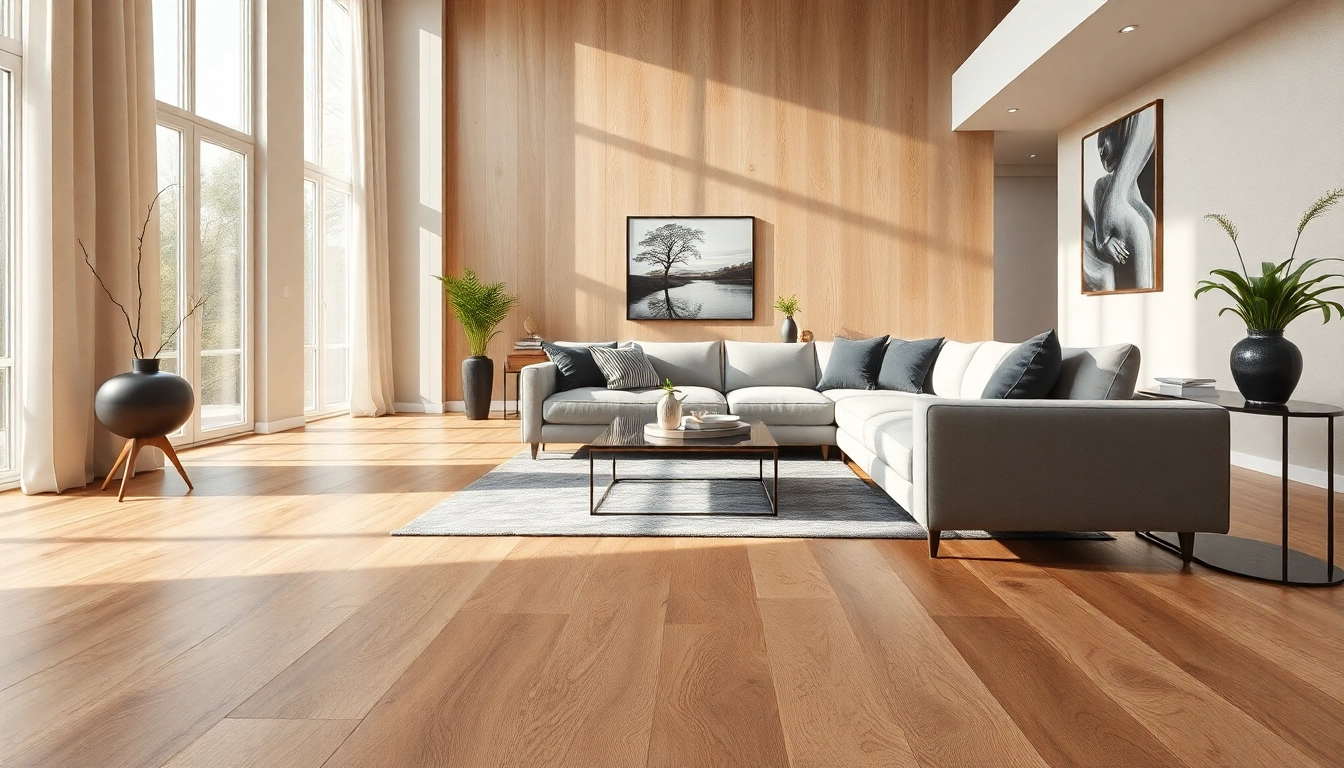
Understanding LVP Flooring
What is LVP Flooring?
LVP flooring, or Luxury Vinyl Plank flooring, is a multi-layered flooring solution designed to mimic the appearance of hardwood or stone. Each plank is made up of several components, including a top wear layer, a printed design layer, a core layer, and a backing layer. This composition not only delivers aesthetic appeal but also provides significant durability and resistance to water and scratches. Thanks to advancements in printing technology, LVP flooring can closely replicate the texture and grain of natural materials, making it an attractive option for homeowners and designers alike.
Key Benefits of LVP Flooring
One of the main advantages of lvp flooring is its versatility. It comes in various styles, colors, and patterns, making it suitable for any room in the house. It is soft underfoot, warmer compared to traditional tile, and quieter than hardwood, reducing sound transmission. Additionally, LVP is incredibly low-maintenance; it does not require sealing or waxing and is easy to clean. In terms of durability, it can withstand heavy foot traffic, making it a great option for homes with kids and pets. Lastly, its waterproof properties make it ideal for kitchens, bathrooms, and basements.
Common Uses of LVP Flooring
LVP flooring is an excellent choice for a vast range of settings. Homeowners often choose it for living rooms, dining areas, and bedrooms where the aesthetic of wood or stone is desired without the high maintenance. In commercial settings, its durability makes it advantageous for offices, retail spaces, and restaurants. Beyond residential and commercial uses, LVP is also appropriate for hospitality settings such as hotels and resorts, where elegance needs to combine with resilience.
Choosing the Right LVP Flooring
Factors to Consider
Selecting the right lvp flooring involves several considerations. Firstly, you should assess the room’s purpose and foot traffic; a higher durability rating may be necessary for high-traffic areas. Secondly, consider the plank thickness and wear layer; thicker planks tend to offer better sound insulation and feeling underfoot. Ideally, you should choose a wear layer of at least 20 mils for residential use and more for commercial spaces. Next, consider the aesthetic; different styles can create varying atmospheres, from rustic charm to sleek modernity. Finally, budget considerations also play a vital role; although LVP is often more affordable than hardwood, prices can vary based on quality and design.
Design Trends for LVP Flooring
As home design approaches evolve, so do trends in lvp flooring. Current favorites include wide planks that create an open and airy feel, and light, natural finishes that reflect the trend towards minimalism and sustainability. Textured finishes that replicate distressed wood or natural stone are also gaining popularity, as they add depth and character to spaces. Additionally, environmentally friendly models featuring recycled materials or sustainably sourced options are becoming increasingly sought after, appealing to the eco-conscious consumer.
Comparing LVP vs. Traditional Flooring
When deciding between lvp flooring and traditional flooring such as hardwood or tile, several factors should be weighed. Generally, while hardwood offers timeless appeal, it requires significant maintenance, including regular refinishing and cleaning. LVP, on the other hand, provides a similar aesthetic with less upkeep. In terms of cost, LVP often presents a more budget-friendly alternative without sacrificing style. Tile, while durable, can be cold and unyielding underfoot, whereas LVP offers better comfort. As for installation, LVP often features click-lock systems, allowing for easier DIY projects compared to the laborious processes often involved with tile or hardwood flooring.
Installation Process of LVP Flooring
Preparation Steps for LVP Flooring Installation
Before installing lvp flooring, preparation is key to ensure successful results. Begin by removing any existing flooring and thoroughly cleaning the subfloor to avoid any debris that could affect adhesion or leveling. It’s crucial to check for moisture levels in the subfloor, as excess moisture could lead to problems down the line. If your subfloor is uneven, consider using a leveling compound. Finally, let the LVP acclimate in the installation environment for at least 48 hours before laying it down, which helps prevent expansion or contraction once it is installed.
DIY Installation Tips
Many homeowners opt for DIY installation to save on costs when using lvp flooring. To begin, measure your space accurately and purchase slightly more flooring than necessary to account for cuts and mistakes. Use a straight edge and utility knife for cutting planks for precise lengths. Follow the manufacturer’s guidelines for layout; typically, flooring should be laid parallel to the longest wall or the main light source. Additionally, ensure proper expansion gaps around walls to allow for natural movements as temperatures change. Lastly, always keep the work area clean to prevent any surface scratches during the process.
When to Hire a Professional
While many homeowners can successfully install lvp flooring themselves, there are instances where hiring a professional is advisable. If your space has significant uneven subfloors, plumbing issues, or if the area is unusually complex (like stairs), professionals bring expertise and efficiency that can save time and prevent costly errors. Additionally, if you are working with high-end materials and finances are tied to quality installation, a professional can provide the assurance that the job will be done right.
Caring for Your LVP Flooring
Cleaning and Maintenance Tips
Maintaining lvp flooring is relatively straightforward, making it an appealing option for busy households. Regular sweeping or vacuuming (with a hard floor attachment) should be performed to eliminate dirt and debris. For deeper cleaning, a damp mop with a manufacturer-recommended cleaner can be effective. Avoid using harsh chemicals or abrasive tools, which can damage the finish. Periodically, it’s beneficial to check for any scratches or wear, and promptly address issues with a suitable vinyl repair kit or by consulting a professional, ensuring longevity and maintaining visual appeal.
Dealing with Damage and Repairs
Even with proper care, damage can occur. Common issues include scratches, dents, or peaking. For minor scratches, a vinyl repair kit can be helpful in restoring the floor to its original look. However, if larger sections are damaged, individual planks can often be replaced without needing to redo the entire floor. Most LVP flooring systems are designed for easy plank replacement; simply pull up the affected plank and lay down a new one. For deep gouges, consider consulting a flooring specialist to assess the best repair method.
Longevity and Durability Expectations
The lifespan of lvp flooring typically ranges from 10 to 30 years, depending on the quality of the material and the level of maintenance it receives. Higher-end models may offer extended warranties that range from 30 years up to lifelong guarantees, reflecting their durability. To ensure longevity, adhering to recommended cleaning and maintenance routines is essential. Avoid dragging heavy furniture across floors, and consider using area rugs to protect high-traffic areas.
Frequently Asked Questions about LVP Flooring
What is LVP Flooring made of?
LVP Flooring is made from several layers of PVC vinyl, providing durability and waterproof features for a range of settings.
Is LVP Flooring eco-friendly?
Some LVP options are designed with eco-friendly materials, but always check for certified green products if sustainability is a priority.
Can I install LVP Flooring over existing floors?
Yes, LVP can often be installed over various existing floors, but proper preparation of the surface is essential for a successful installation.
How do I clean LVP Flooring?
Regular sweeping and occasional mopping with a manufacturer-approved cleaner will keep your LVP flooring looking pristine.
What styles are available in LVP Flooring?
LVP flooring comes in a variety of styles, colors, and textures, simulating natural wood or stone appearances to fit any home decor.