
 By admin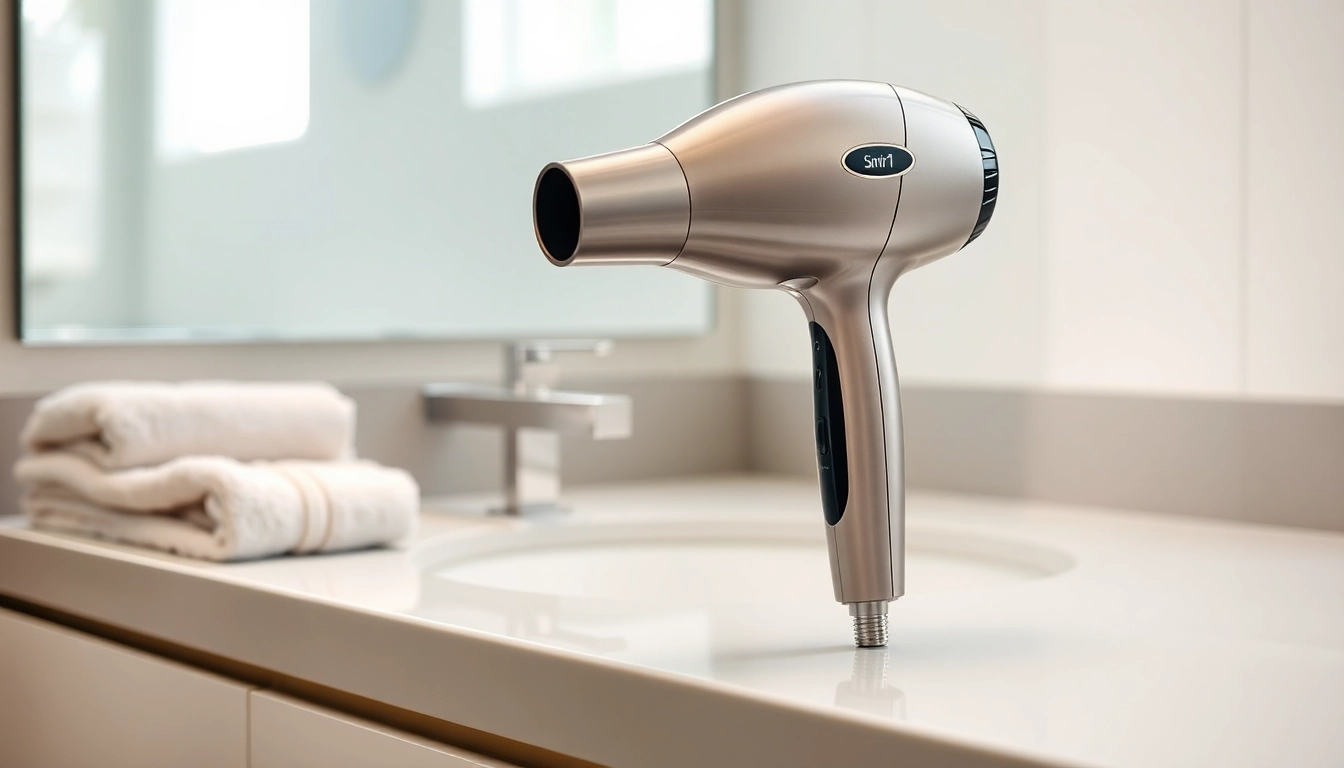
Understanding Fine Hair and Its Needs
Fine hair is often delicate and can be easily damaged, which necessitates a special approach to styling and care. Choosing the right tools, especially when it comes to drying, plays a crucial role in maintaining its health and appearance. For those seeking the right tool, investing in a quality Hair dryer for fine hair can make a significant difference.
Characteristics of Fine Hair
Fine hair strands are typically thinner in diameter compared to other hair types, which makes them more susceptible to breakage and frizz. Key characteristics include:
- Lightweight: Fine hair often lacks the volume found in thicker strands, leading to a more limp appearance.
- Fragility: The delicate structure means fine hair can be easily damaged by heat and styling products.
- Oiliness: Fine hair tends to get oily faster as sebum can weigh it down.
- Static: Due to its light nature, fine hair can easily become frizzy and staticky, especially in dry weather conditions.
Why Hair Dryers Matter
The right hair dryer can enhance the styling process for fine hair and prevent thermal damage. By utilizing advanced technologies, they can efficiently dry hair while maintaining moisture balance and minimizing heat exposure. Moreover, using a proper hair dryer can help achieve the desired volume and style without compromising the hair’s integrity, allowing for a more polished and vibrant look.
Common Challenges
Individuals with fine hair often encounter specific challenges, especially when using a standard hair dryer, such as:
- Overheating: Standard dryers may produce excessive heat, damaging the delicate strands.
- Lack of Volume: Fine hair can fall flat when dried improperly, requiring specific techniques to boost volume.
- Frizz and Static: Improper drying can lead to frizz, making the hair appear unkempt.
Types of Hair Dryers for Fine Hair
Not all hair dryers are created equal, especially for fine hair. Understanding the various technologies and features that cater to this hair type is crucial for making an informed decision.
Tourmaline and Ceramic Technology
Hair dryers equipped with tourmaline and ceramic technology are highly beneficial for fine hair. Tourmaline emits negative ions when heated, which helps to break down water molecules faster, reducing drying time while introducing moisture back into the hair. Ceramic materials provide even heat distribution, minimizing hot spots that can lead to damage. Choosing a dryer with these technologies can keep fine hair smooth, shiny, and healthy.
Ion Technology Explained
Ion technology is another essential feature for hair dryers aimed at fine hair. Negative ions produced by ion dryers help eliminate static and frizz by neutralizing positive charges present in the hair. This results in a sleeker, softer finish while simultaneously drying hair faster. If you have fine hair, opting for an ion hair dryer could make a significant difference in your drying routine.
Heat Settings and Their Importance
Fine hair requires careful temperature management. Hair dryers with multiple heat settings allow users to customize their drying experience according to their hair’s needs. Lower heat settings are generally recommended for fine hair to prevent overheating and damage. Furthermore, utilizing a cool shot button can help to lock in styles and add shine upon finishing the drying process.
How to Use a Hair Dryer for Fine Hair Effectively
Understanding how to correctly use a hair dryer can drastically improve the results for fine hair. Proper techniques can enhance volume, minimize damage, and create a polished look.
Pre-Drying Preparations
Before reaching for the hair dryer, there are several preparations to consider for fine hair:
- Towel Drying: Gently blot your hair with a microfiber towel or an old cotton t-shirt to absorb excess water without causing friction.
- Leave-In Conditioner: Apply a lightweight leave-in conditioner or heat protectant to shield your hair from potential damage.
- Sectioning: Dividing hair into manageable sections can facilitate a more thorough drying process and allow for targeted styling.
Techniques for Volume and Care
When using a hair dryer, employing specific techniques can help add volume and maintain hair health:
- Overhead Drying: Position the hair dryer from below, lifting the hair at the roots while drying to create volume.
- Using a Round Brush: Incorporate a round brush while drying to curl the ends and enhance body.
- Flip Technique: Flip your hair upside down while drying to create natural volume at the roots.
Post-Drying Tips
Even after drying, there are steps to ensure healthy and beautiful fine hair:
- Cool Down: Finish with a cool air blast to seal moisture and add shine.
- Avoid Heat Styling: Minimize the use of additional heat styling tools to prevent cumulative damage.
- Regular Trims: Schedule routine cuts to remove split ends and maintain hair vitality.
Top Features to Look For in a Hair Dryer
When selecting a hair dryer for fine hair, certain features should be prioritized to maximize usability and protect hair health.
Weight and Ergonomics
The weight and design of a hair dryer can significantly influence user experience. A lightweight and ergonomically designed hair dryer can ease the stress on the wrist and arm during use, especially when drying for long periods. Choosing a model that’s comfortable to hold will enhance your overall experience.
Noise Levels
Noise can be a significant factor for many users. Opt for hair dryers that are known for their quiet operation, which can enhance the drying experience, particularly in the early mornings or late at night.
Durability and Warranty
Investing in a durable hair dryer ensures longevity and reduced wear and tear. It’s prudent to select models that come with reliable warranties, providing peace of mind in case of malfunction or defects.
FAQs About Hair Dryers for Fine Hair
What temperature settings should I use?
For fine hair, use lower temperature settings to reduce heat damage. A medium setting might be adequate, but always test heat sensitivity while drying.
How can I minimize heat damage?
Utilize heat protectant products, lower heat settings, and maintain a safe distance while drying to minimize heat damage to fine hair.
Are ionic hair dryers better?
Ionic hair dryers are often better for fine hair because they reduce frizz and static, helping to keep strands smooth while drying faster.
How often should I dry my hair?
The frequency of drying depends on your hair condition. Daily drying might be excessive; aim for a few times a week for fine hair to maintain health.
Can I use a hair dryer on wet hair?
Yes, but make sure to avoid using high heat. Pat hair dry first, then use the dryer on a lower heat setting for optimal safety and effectiveness.