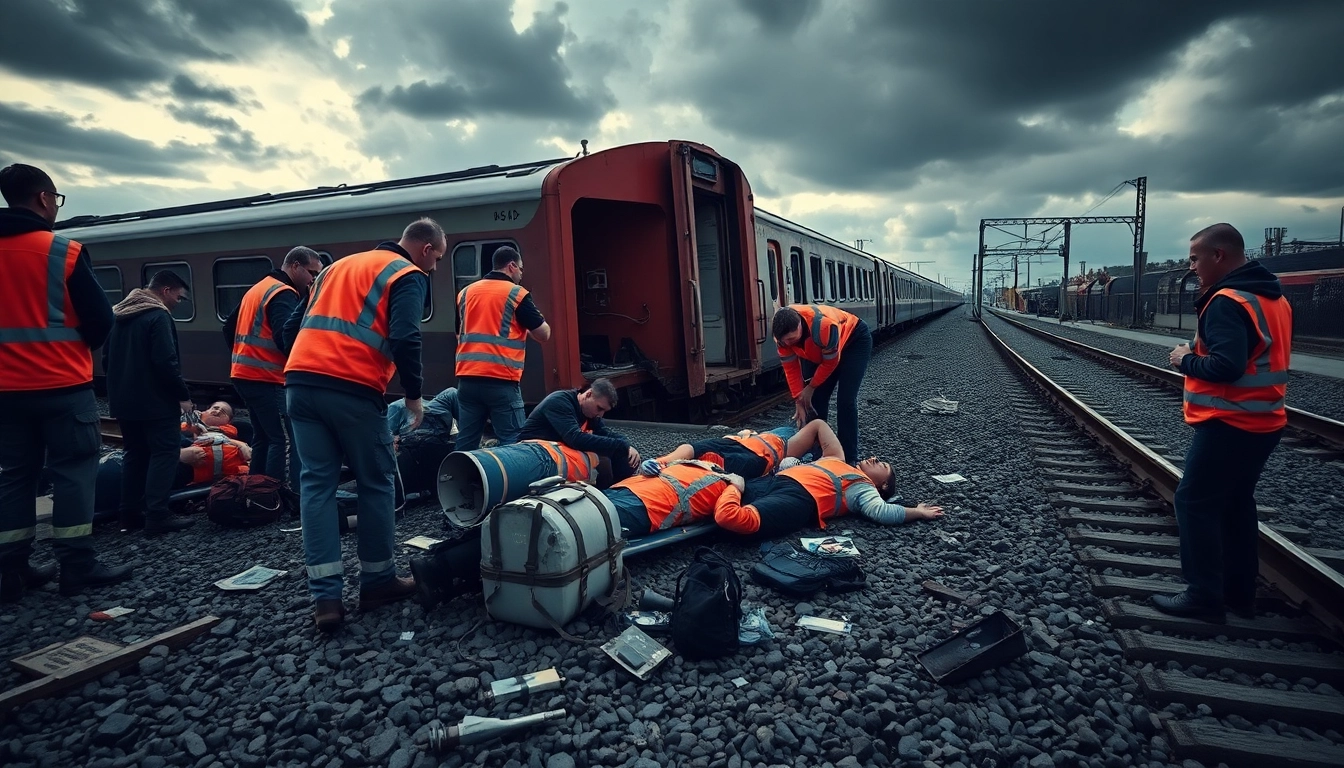
The Overview of the Spain Train Crash
Train accidents are an unfortunate reality in the transportation sector, and Spain has experienced its share of such tragedies. The spain train crash incidents have not only claimed lives but have also initiated discussions around railway safety regulations and operational protocols. To understand the full scope of these incidents, we must delve into the historical context, notable incidents, and the general reasons behind train crashes.
Historical Context of Train Safety in Spain
The history of train travel in Spain dates back to the 19th century, marking significant advancements in infrastructure and technology. However, as rail networks expanded, so did the complexities of managing safety. By the early 20th century, Spain had witnessed several serious train accidents that highlighted the urgent need for stringent safety measures. Regulations were introduced, leading to advancements in both train technology and operational protocols.
Reasons Behind Train Crashes Generally
Human error, technical failures, and infrastructure shortcomings are often the primary culprits behind train crashes globally. Human factors include miscommunication or lack of training for operators. Technical failures may involve malfunctions in braking systems or signaling equipment. Additionally, poor infrastructure such as outdated tracks can amplify the risk of accidents. Understanding these causes is essential in preventing future occurrences.
Notable Spain Train Crash Incidents
Several train crashes in Spain have left an indelible mark on its railway history. One of the most infamous incidents occurred in 2004, when a train derailed in the northeastern region, resulting in numerous fatalities and injuries. Another tragic event was the 2013 Santiago de Compostela derailment, which claimed the lives of 79 passengers and was attributed to excessive speed and human error. Each of these incidents spurred investigations that prompted significant changes in safety protocols in the railway sector.
Causes of the Spain Train Crash
Human Factors Involved in Train Operations
Human factors constitute a significant aspect of railway safety. Operator fatigue, distraction, and decision-making under pressure can contribute to tragic accidents. Studies have shown that even highly trained professionals can make errors when under stress or facing unexpected situations. This emphasizes the need for improved training programs aimed at enhancing decision-making skills and operating conditions during longer shifts.
Technical Failures and Their Implications
Technical failures often underline the vulnerabilities in train operations. Malfunctioning brake systems, signaling errors, and outdated technology can lead to disastrous outcomes. For example, if a train experiences a brake failure during transit, it can have catastrophic results. Regular maintenance and updates to equipment are essential to mitigate these risks, ensuring that trains operate under optimal conditions at all times.
The Role of Infrastructure Quality
The quality of infrastructure is critical in ensuring safe rail operations. Poorly maintained tracks, outdated signals, and inadequate safety systems can lead to accidents. Spain has taken strides in recent years to modernize its rail network, incorporating advanced technologies and improving structural integrity. These improvements aim to create a safer environment for both passengers and staff while minimizing the risks of accidents.
Consequences Following the Spain Train Crash
Casualties and Immediate Reactions
Each train crash typically results in tragic loss of life and multiple injuries, causing immediate emotional and psychological impact on the victims, their families, and communities. For instance, the Santiago de Compostela crash not only resulted in 79 deaths but also shocked the nation and led to widespread public mourning. Immediate responses include medical assistance for the injured, the establishment of crisis centers, and investigations to assess accountability.
Long-term Impact on Rail Policies
In the aftermath of significant train accidents, rail authorities often reassess their safety policies. Following high-profile incidents in Spain, investigations frequently result in new legislation aimed at improving safety standards. Policy changes may include stricter regulations regarding train speeds, increased training for conductors, and more robust infrastructure investments to prevent future occurrences.
Media Coverage and Public Perception
Media responses to train crashes can significantly influence public perception and awareness of rail safety issues. Extensive coverage often leads to heightened awareness and concern among passengers regarding the safety of train travel. Furthermore, such incidents can spur community advocacy for safer rail operations, prompting discussions at both local and national levels about the need for systemic changes in railway safety protocols.
Preventive Measures and Safety Protocols
Current Safety Regulations in Spain
The Spanish government, alongside rail authorities, has implemented a variety of safety regulations aimed at reducing the risk of train crashes. These measures encompass everything from regular maintenance schedules and inspections to comprehensive safety audits. Additionally, efforts have been made to establish clearer communication protocols among rail staff to prevent miscommunications that could lead to accidents.
Enhancements in Train Technology
As technology progresses, so does the potential to enhance train safety. Advanced signaling systems, automated braking technology, and real-time monitoring of train conditions are just a few examples of how technology is being leveraged to improve safety. In recent years, Spain has invested in these advanced technologies to upgrade its rail systems, aiming to create a more reliable and safer experience for commuters.
Training and Awareness Programs for Conductors
Continual training and awareness programs for conductors and railway staff are vital for instilling a culture of safety. Programs focused on stress management, decision-making, and emergency response can significantly enhance an operator's ability to manage crises. The frequent simulation of real-life scenarios, along with ongoing education about new technologies, ensures a workforce that is prepared for potential challenges.
Frequently Asked Questions About Train Crashes
What are the common causes of train crashes?
Common causes include human error, technical failures, and poor infrastructure. Errors in judgment, equipment malfunctions, and inadequate maintenance contribute significantly to incidents.
How do authorities respond to train accidents?
Authorities respond with immediate medical assistance for victims, departmental investigations, and crisis management efforts to address the scene and public concerns swiftly.
What can be done to improve train safety?
Improving train safety involves investing in technology, regular training for staff, and upgrading infrastructure while enforcing stringent safety protocols across the rail network.
How do train crashes impact local communities?
Train crashes can have devastating effects on local communities, causing loss of life, emotional trauma, and impacting the perception of train travel safety, leading to potential declines in ridership.
What historical changes have occurred in train safety regulations?
Historical changes include the introduction of more stringent regulations, updated training requirements for staff, and advancements in rail technology seeking to prevent future accidents and enhance safety.