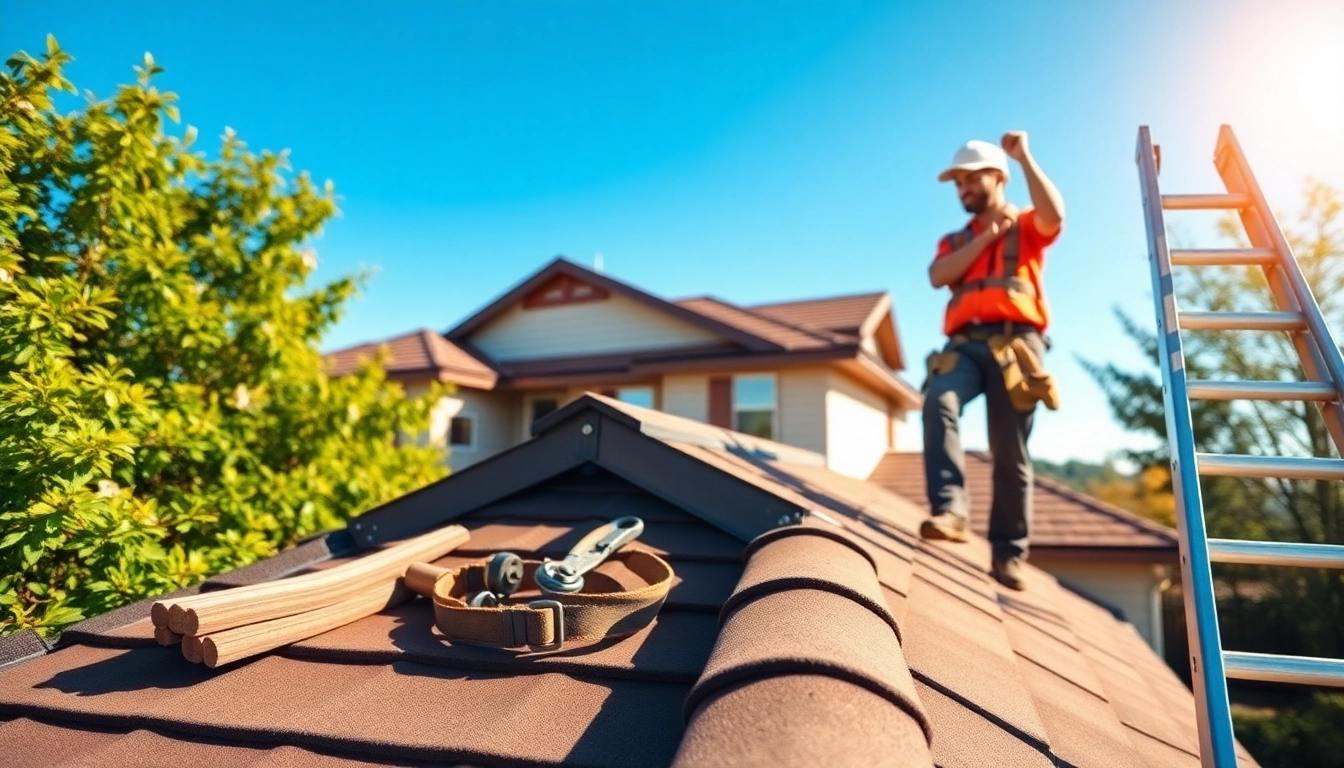
Understanding Reliable Roofing Services
The roof over your head is more than just a physical barrier; it's an integral part of your home's structure and integrity. Therefore, when it comes to ensuring the longevity and safety of your roof, understanding the nuances of reliable roofing services is essential. This article delves into the essential aspects of reliable roofing services, how to assess your roofing needs, and what to expect from this critical home maintenance service.
What Defines Reliable Roofing?
Reliable roofing services are characterized by quality workmanship, professionalism, and adherence to safety standards. They typically offer comprehensive solutions that encompass installation, repair, and maintenance of various roofing types. A reliable roofing service understands the unique demands of the local climate and building codes, ensuring that every project meets regulatory requirements and is built to last.
Key attributes that define a reliable roofing service include:
- Experience and Expertise: Many years in the industry translates to better workmanship and advanced problem-solving skills.
- Quality Materials: They use high-quality materials that are suitable for the local environment and offer warranties.
- Licensing and Insurance: Ensures protection for clients in case of accidents or mishaps during the project.
- Good Communication: Reliable companies maintain transparent communication, informing you throughout the project lifecycle.
Common Types of Roofing Services
Roofing services generally fall into several categories, catering to different needs and types of roofs:
- Installation: Involves the complete setup of a new roof. This service is often required for new constructions or when existing roofs are irreparable.
- Repair: Focuses on fixing specific issues, such as leaks, missing shingles, or damaged flashings. Emergency repairs are also part of this service.
- Maintenance: Routine inspections and maintenance tasks to prolong the life of the roof, preventing costly repairs in the future.
- Replacement: When repairs are no longer feasible, a full roof replacement may be necessary. This service usually involves removing the old roof and installing a new one.
Importance of Licensing and Insurance
One of the critical components of any reliable roofing service is proper licensing and insurance. Licensing indicates that the roofing contractor is compliant with local regulations and standards, which protects the homeowner from potential legal issues. Furthermore, insurance protects both the contractor and homeowner from liabilities related to accidents or damage that may occur during the roofing process. Always ensure that the roofing contractor provides proof of these documents before commencing any work.
Evaluating Your Roofing Needs
Assessing your roofing needs is the first step to ensuring that you select the right services. Consider the following factors when evaluating your roofing requirements.
Signs You Need Roofing Services
Indicators that your roof may require professional attention include:
- Leaking or Water Damage: Any signs of water spots on ceilings or walls suggest underlying issues that need addressing.
- Missing Shingles: Shingles lying in your yard after a storm indicate that your roof may not be intact.
- Granules in Gutters: Shingle granules accumulating in gutters signal that your shingles are deteriorating.
- Visible Damage: Cracks, dents, or blisters on the roof surface contribute to potential leaks and vulnerabilities.
Assessing Different Roofing Materials
Selecting the right roofing material is vital for ensuring the longevity and aesthetic appeal of your home. Popular roofing materials include:
- Asphalt Shingles: Affordable and versatile, these are the most common roofing materials in residential homes.
- Metal Roofing: Durable and energy-efficient, metal roofs are great for longevity and come in a variety of styles.
- Slate or Tile: These materials provide a classic look and are incredibly durable but may require more investment.
- Wood Shingles: Offering a natural aesthetic, wood shingles have a shorter lifespan and require more maintenance.
Budgeting for Roofing Projects
When planning a roofing project, budgeting appropriately is essential. Factors that influence roofing costs include:
- Roof Size and Slope: Larger and steeply pitched roofs require more materials and labor, increasing costs.
- Material Choice: Premium materials may offer long-term savings but require a higher upfront investment.
- Labor Costs: Different contractors charge varying rates, and it's wise to get multiple quotes to ensure a fair price.
- Additional Features: Gutters, skylights, and flashing may increase overall project costs, so factor them into your budget.
Finding Quality Roofing Contractors
Finding a reputable roofing contractor is crucial for securing quality installation and service. Here are key steps to help in your search:
Questions to Ask Potential Roofing Services
When interviewing contractors, consider asking the following questions:
- What is your experience with my specific roofing material? Ensures that they are well-versed with your chosen material.
- Can you provide references from past customers? Customer feedback will give insights into their work quality and reliability.
- What warranty do you offer on your work? Guarantees that you are protected against future issues arising from the installation.
- How do you handle unexpected issues during the project? Understanding their plan helps mitigate potential disruptions.
Researching Contractor Reviews and Ratings
Before making a hiring decision, conduct thorough research on potential contractors. Online platforms, social media, and review sites can provide invaluable insights into their reputation. Look for:
- Client Testimonials: Real customer feedback helps you gauge the contractor's reliability and workmanship quality.
- Industry Ratings: Certifications or ratings from roofing associations reflect professionalism and commitment to quality.
- Local Reputation: Ask around in your community for recommendations, as word-of-mouth is often the most reliable indication of a contractor's performance.
Getting Estimates and Comparing Quotes
Once you've narrowed down your options, seek detailed estimates from several contractors.
When comparing quotes, pay attention to:
- Scope of Work: Ensure that each estimate includes the same scope of work for an apples-to-apples comparison.
- Material Costs: A breakdown of materials helps you understand what you're paying for and whether it fits your budget.
- Timeline: Compare project timelines to ensure that one contractor isn’t significantly slower than others without good reason.
Preparing for Your Roofing Project
Preparation is key to ensuring a smooth roofing project. Follow these essential steps to get ready:
What to Expect During the Roofing Process
Understanding the roofing process will help set your expectations. The typical steps involved include:
- Initial Inspection: A detailed evaluation by the contractor to assess the current roof condition.
- Material Selection: Collaborating with your contractor to choose suitable roofing materials based on your needs and budget.
- Installation: This phase includes removing old materials, preparing surfaces, and installing the new roofing system with precision.
- Final Inspection: The contractor will conduct a thorough check to ensure the job meets quality standards before project completion.
Ensuring Safety and Compliance Standards
Safety must be a priority during the roofing project. Ensure the contractor adheres to safety protocols, including:
- Using safety gear and equipment: This includes harnesses, ladders, and scaffolding to prevent accidents.
- Compliance with regulations: Follow local building codes and regulations to avoid legal issues and ensure safety.
- Waste Management: Effective disposal of debris keeps your property safe and minimizes disturbances in your neighborhood.
Keeping Communication Open with Your Contractor
Maintaining open lines of communication with your roofing contractor is essential for a successful project. Provide feedback, ask questions, and stay updated on progress. Regular check-ins allow you to address any concerns immediately and lead to better outcomes.
Maintaining Your Roof After Installation
After successfully installing a new roof, focusing on maintenance will extend its life and functionality. Here are essential care measures:
Essential Post-Installation Care Tips
Implement these tips to keep your roof in top condition:
- Regular Inspections: Conduct inspections at least twice a year and after significant weather events to identify issues early.
- Cleaning Gutters: Keep gutters clean and free from debris to ensure proper drainage and prevent water damage.
- Addressing Minor Repairs Promptly: Tackle small issues like loose shingles quickly to prevent them from escalating into more significant problems.
Scheduling Regular Inspections
Regularly scheduled roof inspections by professionals will help catch potential problems early. These inspections should assess:
- Integrity of shingles and material.
- Flashing and seals around vents and chimneys.
- Signs of wear or damage from environmental factors.
Recognizing Signs of Damage for Prompt Repairs
As a homeowner, stay vigilant for signs of damage that require prompt attention, including:
- Water stains: Yellow or brown spots on ceilings or walls.
- Dark streaks: Indicate potential mold growth or algae on roofing materials.
- Visible cracks or holes: May lead to leaks if not addressed.
In conclusion, understanding and utilizing reliable roofing services are crucial for maintaining the health, safety, and aesthetic appeal of your home. From recognizing the signs that you need service to finding the right contractor and ensuring proper maintenance thereafter, each step contributes to preserving your investment. By following the insights and strategies outlined in this article, homeowners can navigate their roofing projects confidently and effectively.