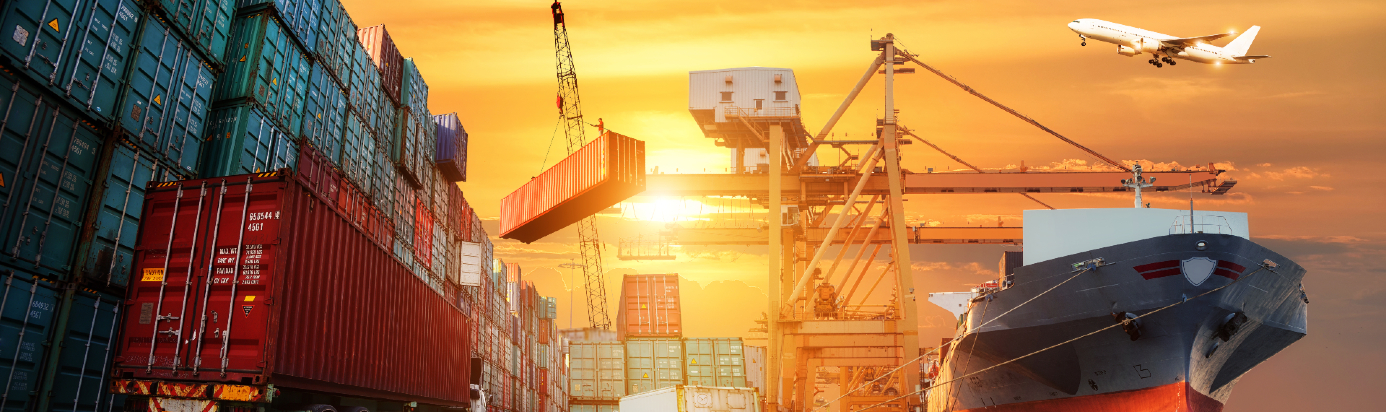
Understanding Transportation: Definitions and Types
What is Transportation?
Transportation refers to the intentional movement of individuals, goods, or services from one location to another. It comprises various systems and modes, aiming to connect different geographical areas efficiently. The essence of transportation lies in its facilitation of trade, travel, and communication, which drives economic growth and social interaction. From public transit systems in bustling cities to logistics operations in rural areas, transportation is fundamental to our daily lives.
In an era where urbanization and globalization are at an all-time high, understanding the intricacies of transportation becomes essential. As society evolves, so do transportation needs, leading to innovation and modernization in methods, safety measures, and efficient practices. From roads and railways to airways and waterways, the methods of moving people and goods are as diverse as the technologies that power them. For further insights on transportation systems, visit Transportation.
Types of Transportation: Land, Air, and Sea
Transportation can primarily be categorized into three types: land, air, and sea. Each mode serves different needs, offering a range of benefits and limitations.
- Land Transportation: This includes vehicles like cars, buses, trains, and bicycles. Land transportation is vital for short-distance travel and urban commuting. It provides flexibility and accessibility but often faces challenges like traffic congestion.
- Air Transportation: Comprising airplanes and helicopters, air transportation is the fastest mode, ideal for long distances and international travel. While it's efficient, it bears higher costs and environmental impacts.
- Sea Transportation: Involving ships and boats, sea transportation is essential for global trade, especially in bulk goods. It’s cost-effective for long-distance freight but often slower than land and air alternatives.
Importance of Transportation in Daily Life
The significance of transportation extends beyond mere mobility. It plays a crucial role in economic development by enabling trade and commerce, facilitating tourism, and connecting communities. Efficient transportation systems contribute to urban growth, accessibility, and individual convenience. Moreover, they influence social dynamics by shaping how people interact with each other and their environments.
The Evolution of Transportation: A Historical Perspective
Early Means of Transportation
The history of transportation is an expansive tale that dates back to ancient civilizations. Early means of transportation were pedestrian and animal-based, such as walking, riding horses, and using donkeys or camels for trade.
As societies progressed, innovations emerged, including the wheel and the chariot, revolutionizing land transport. The invention of ships enabled the exploration and trade across seas, significantly impacting cultural exchanges and economies worldwide.
The Impact of Technology on Transportation
With the Industrial Revolution, transportation experienced drastic changes. The steam engine powered locomotives and ships, leading to the development of extensive railway networks and steam-powered vessels. The 20th century saw the rise of the automobile, fundamentally altering urban landscapes and the nature of personal travel.
Today, technology continues to reshape transportation through innovations like electric vehicles (EVs), autonomous transportation, and smart logistics. Advanced data analytics and IoT are enhancing the efficiency and safety of transportation networks, signifying an ongoing evolution toward sustainability and smart city developments.
Future Trends in Transportation Development
As we look to the future, several trends in transportation development are poised to become prominent:
- Electrification: The shift toward electric vehicles is gaining momentum, with substantial investments in charging infrastructure and battery technology aimed at reducing reliance on fossil fuels.
- Autonomous Vehicles: Self-driving technology promises to enhance road safety and efficiency, although regulatory and ethical challenges must be navigated.
- Shared Mobility: Car-sharing and ride-hailing services are reshaping urban mobility, offering flexible alternatives to traditional vehicle ownership.
- Integrated Transportation Systems: Future transportation will likely focus on creating seamless connections between different modes, utilizing smart technology to manage traffic and enhance user experience.
Challenges Facing the Transportation Sector
Environmental Impact and Sustainability
The transportation sector significantly contributes to greenhouse gas emissions and climate change. Addressing these environmental concerns requires innovative solutions focused on sustainability. Transitioning to cleaner energy sources and implementing eco-friendly practices can mitigate these impacts, promoting a healthier planet.
Moreover, initiatives like promoting public transportation, developing bike-sharing programs, and enhancing pedestrian infrastructure can contribute to reducing emissions and improving air quality.
Traffic Congestion and Urban Planning
Traffic congestion remains a critical concern for urban environments, impacting economic productivity and quality of life. Effective urban planning is crucial for managing traffic flow and integrating diverse modes of transportation. Strategies may include expanding public transit options, implementing congestion pricing, and developing mixed-use neighborhoods to reduce the need for long commutes.
Safety Concerns in Transportation Systems
Transportation safety is paramount, encompassing the prevention of accidents and ensuring the protection of all users, including pedestrians, cyclists, and vehicle passengers. Addressing common safety issues involves adopting stricter regulations, implementing advanced safety technologies, and conducting educational campaigns to raise awareness on safe practices.
Enhancing Transportation: Best Practices
Access to Public Transportation
Access to efficient public transportation is fundamental for enhancing mobility, particularly for underserved populations. Strategies to improve access include expanding service coverage, increasing the frequency of transit services, and ensuring affordability. Investment in infrastructure must consider accessibility for individuals with disabilities, providing inclusive solutions that cater to diverse community needs.
Innovative Solutions for Efficient Transportation
Innovations are essential for improving transportation efficiency. This includes adopting technologies like artificial intelligence for traffic management, utilizing data analytics for route optimization, and embracing Mobility as a Service (MaaS) models, integrating various transport options into a single platform for users to plan their journeys more effectively.
Community Engagement in Transportation Planning
Engaging communities in transportation planning empowers residents to voice their needs and preferences. Public forums, surveys, and interactive platforms can help gather insights and foster a sense of ownership among community members. Involving stakeholders at all levels ensures that transportation projects align with local aspirations, leading to more successful implementations and better outcomes.
Measuring Transportation Efficiency: Key Metrics
Data-Driven Insights for Transportation Improvement
Data plays a critical role in understanding and improving transportation systems. Employing data analytics allows for identifying trends, assessing service quality, and making informed decisions. Gathering real-time data through sensors and GPS can provide insights into traffic patterns and user behaviors, driving efficiency improvements.
Performance Metrics: What to Track?
Key metrics for gauging transportation effectiveness include:
- Travel Time: The duration taken to complete journeys is a primary indicator of network efficiency and user satisfaction.
- Ridership Levels: Monitoring the number of users utilizing public transport helps assess service demand and justify investment.
- Cost-Effectiveness: Evaluating the cost per passenger mile reveals financial effectiveness and informs funding strategies.
- Accident Rates: Tracking incidents helps understand safety levels and target risk reduction initiatives.
Case Studies of Successful Transportation Projects
Examining successful transportation projects can provide valuable insights into best practices. Cities such as Copenhagen and Amsterdam have effectively integrated cycling into their transportation systems, promoting sustainable commuting and significantly reducing vehicular traffic.
Similar projects, like the implementation of transit-oriented development in urban spaces, demonstrate how strategic planning and community involvement can enhance mobility and foster economic growth.