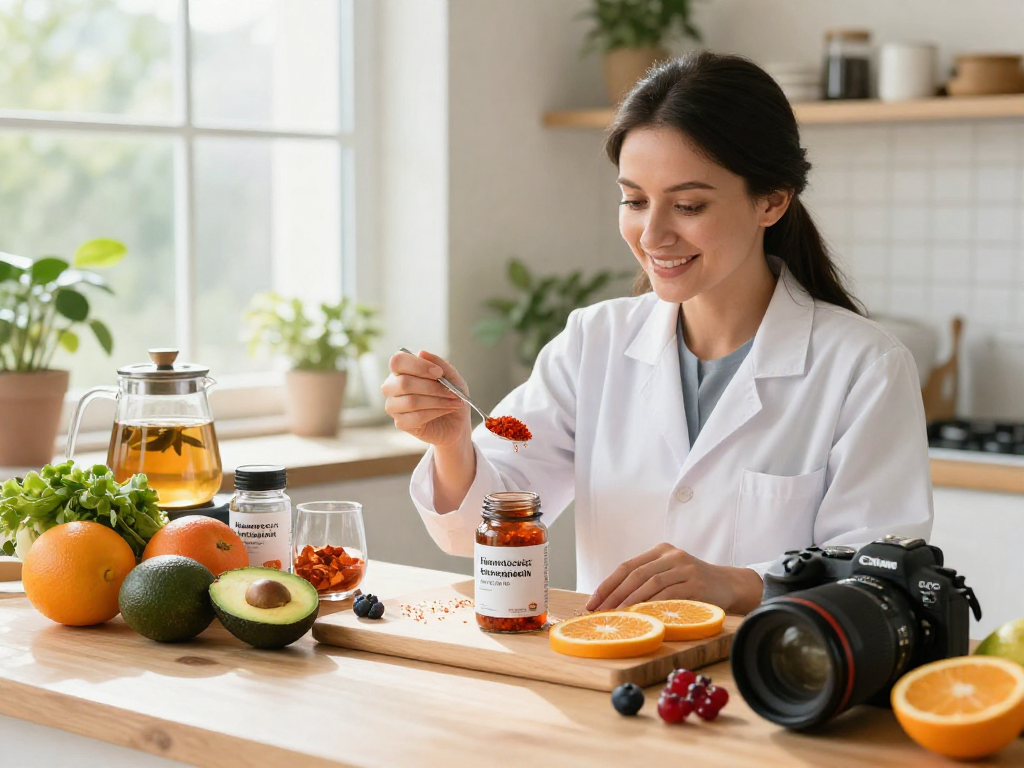
Understanding Haematococcus Pluvialis Astaxanthin
When exploring options for natural health supplements, Haematococcus pluvialis astaxanthin has emerged as a leading contender due to its remarkable health benefits and powerful antioxidant properties. This microalga, known for its striking red color, is a source of one of nature's most potent antioxidants—astaxanthin. In the realm of nutraceuticals and wellness, the popularity of astaxanthin is growing, particularly for its applications in skincare, eye health, and athletic performance.
What is Haematococcus Pluvialis Astaxanthin?
Haematococcus pluvialis is a freshwater microalga that produces astaxanthin as a protective mechanism against environmental stressors, such as UV radiation and nutrient depletion. Astaxanthin is a carotenoid pigment that gives salmon, shrimp, and flamingos their distinctive pink hue. Unlike other carotenoids, astaxanthin possesses a unique structure that allows it to cross lipid membranes, providing extensive antioxidant capabilities.
The Science Behind Astaxanthin
Astaxanthin’s antioxidant power is due to its chemical structure, which is designed to neutralize free radicals effectively. Research indicates that astaxanthin is up to 6000 times more potent than vitamin C in combating oxidative stress. Its mechanism of action involves quenching singlet oxygen and regenerating other antioxidants like vitamin E, making it a crucial player in the body’s defense system.
Health Benefits of Haematococcus Pluvialis Astaxanthin
Astaxanthin's Antioxidant Properties
Astaxanthin's ability to reduce oxidative stress contributes to various health benefits, including enhanced immune function and reduced inflammation. Various studies support its role in fighting chronic diseases, including cardiovascular disease and cancer, by protecting cells from oxidative damage.
Impact on Skin Health
Astaxanthin has gained attention in dermatology for its skin health benefits. It helps improve skin elasticity, reduce the appearance of fine lines, and protect against UV damage. Clinical trials have shown that topical application of astaxanthin can lead to improvements in skin texture and hydration.
Benefits for Eye Health
Due to its ability to cross the blood-retinal barrier, astaxanthin is beneficial for eye health. It helps protect the eyes from oxidative stress and may reduce the risk of age-related macular degeneration (AMD) and other vision impairments. Regular consumption of astaxanthin can also alleviate symptoms of eye fatigue and strain.
Using Haematococcus Pluvialis Astaxanthin in Daily Life
How to Incorporate Astaxanthin into Your Diet
Incorporating Haematococcus pluvialis astaxanthin into your diet is relatively straightforward. It is available in various forms, including capsules, powders, and oils, making it easy to add to smoothies or meals. For those who prefer a more natural option, consuming foods rich in astaxanthin, such as salmon and shrimp, can also be beneficial.
Recommended Dosages for Optimal Results
The recommended dosage of astaxanthin varies based on health goals. Typical dosages range from 4 to 12 mg per day, but it’s essential to consult with a healthcare provider before starting any new supplement to determine the appropriate dosage based on individual health needs.
Creative Recipes Featuring Astaxanthin
Here are some creative ways to include Haematococcus pluvialis astaxanthin in your diet:
- Astaxanthin Smoothie: Blend spinach, banana, and a teaspoon of astaxanthin powder with your favorite nut milk for a nutrient-rich breakfast.
- Salmon Salad: Incorporate astaxanthin-rich salmon into a fresh salad with greens, avocado, and a lemon vinaigrette.
- Astaxanthin Energy Bites: Mix rolled oats, nut butter, honey, and a dash of astaxanthin powder to create energy bites for a quick snack.
Potential Side Effects and Precautions
Who Should Avoid Astaxanthin?
While astaxanthin is generally regarded as safe, individuals with allergies to seafood or those taking certain medications should exercise caution. Pregnant and breastfeeding women should also consult healthcare professionals before use.
Interactions with Medications
Astaxanthin may interact with blood-thinning medications and certain immunosuppressive drugs. Always inform your healthcare provider about all supplements you are taking to avoid any potential negative interactions.
Understanding Allergic Reactions
Allergic reactions to astaxanthin are rare but can occur. Symptoms may include itching, rash, or gastrointestinal discomfort. If you experience any adverse effects, discontinue use and consult a healthcare professional.
The Future of Haematococcus Pluvialis Astaxanthin Research
Emerging Trends in Astaxanthin Studies
Research into Haematococcus pluvialis astaxanthin continues to expand, focusing on its applications in both health and wellness. New studies aim to uncover further benefits, particularly in areas like cognitive function and metabolic health.
Future Applications in Health Supplements
The supplement industry is witnessing a surge in products featuring astaxanthin. Future formulations may include synergistic blends with other antioxidants, further enhancing its health benefits and broadening its market appeal.
Expectations for 2026 and Beyond
By 2026, the demand for natural antioxidants like astaxanthin is expected to increase significantly. As consumers become more health-conscious, the focus will likely shift toward evidence-based benefits, emphasizing the need for rigorous scientific research to validate the claims surrounding astaxanthin.
What Makes Haematococcus Pluvialis Astaxanthin Unique?
Haematococcus pluvialis astaxanthin stands out among antioxidants due to its exceptional potency and bioavailability. Unlike other carotenoids, its unique ability to penetrate cell membranes makes it highly effective at protecting cells from oxidative stress.
Is Astaxanthin Safe for Everyone?
While astaxanthin is considered safe for most people, certain individuals should proceed with caution, particularly those with specific medical conditions or allergies. Consulting a healthcare provider is essential to ensure safety and efficacy.
How Does Astaxanthin Compare with Other Antioxidants?
Astaxanthin is often compared to other well-known antioxidants, such as vitamin C, vitamin E, and coenzyme Q10. Its superior ability to quench free radicals and protect against oxidative damage makes it a powerful contender in the antioxidant landscape.
What are the Best Sources of Astaxanthin?
While supplements are a convenient source of astaxanthin, natural sources include seafood, particularly salmon, shrimp, and krill. Eating a diet rich in these foods can help naturally boost astaxanthin levels in the body.
Can Astaxanthin improve athletic performance?
Emerging evidence suggests that astaxanthin may enhance athletic performance by reducing muscle soreness and fatigue. Athletes may find that astaxanthin helps improve recovery time, allowing for more effective training sessions.