Understanding the Kitchen Loofah
What is a Kitchen Loofah?
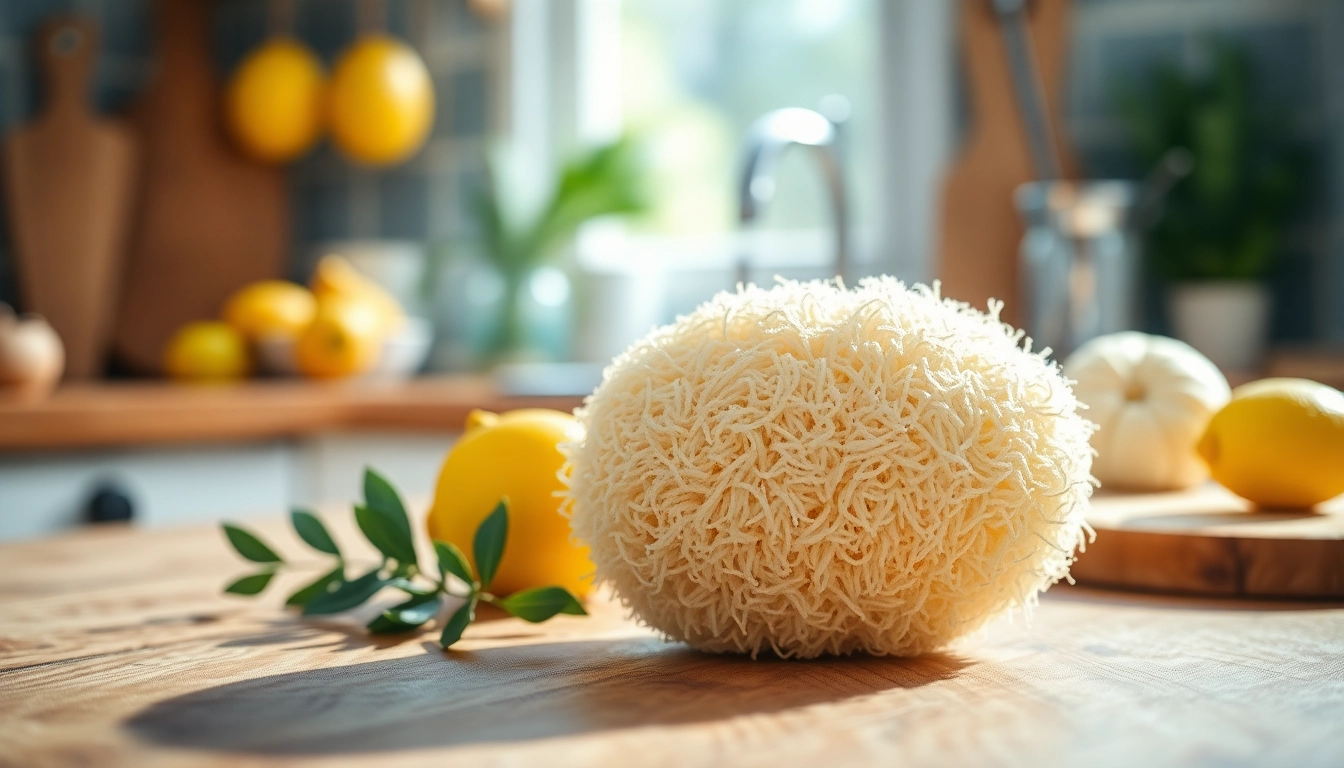
A kitchen loofah is a natural, biodegradable cleaning tool derived from the fibrous interior of the loofah plant. Renowned for its versatility, it functions as a sponge for scrubbing dishes and surfaces. Unlike synthetic sponges, which can harbor bacteria and mold, the kitchen loofah is not only eco-friendly but also offers an efficient scrubbing experience. Its unique texture allows for effective removal of stuck-on food while being gentle enough for various surfaces. The kitchen loofah is an ideal addition to any sustainable kitchen setup.
Benefits of Using Kitchen Loofah
Adopting a kitchen loofah comes with numerous benefits:
- Eco-Friendly: Made from natural materials, kitchen loofahs are 100% biodegradable, making them a perfect choice for environmentally conscious consumers.
- Gentle on Surfaces: These loofahs are gentle enough to be used on various surfaces without causing scratches, making them suitable for non-stick cookware and glassware.
- Effective Cleaning: The fibrous structure of kitchen loofahs allows them to effectively lift grime and residue, providing a thorough clean.
- Cost-Effective: With proper care, kitchen loofahs can be used for several weeks, offering good value for money compared to disposable sponges.
- Natural Antimicrobial Properties: The material used in making loofahs inherently possesses properties that prevent the growth of bacteria, making them safer for kitchen use.
How to Choose the Right Kitchen Loofah
Choosing the right kitchen loofah involves considering several factors:
- Harvesting Method: Opt for loofahs that are harvested sustainably to ensure minimal environmental impact.
- Size and Texture: Consider the specific cleaning tasks you need to accomplish. Larger loofahs are better for big pots and pans, while smaller ones may be suitable for more delicate surfaces.
- Certifications: Look for products labeled as organic or certified to ensure they are free from harmful chemicals or pesticides.
- Thickness: Thicker loofahs may offer a more abrasive cleaning surface, while thinner ones are better for delicate scrubbing.
Using Kitchen Loofah Effectively
Best Practices for Kitchen Loofah Usage
To optimize the effectiveness of your kitchen loofah, follow these best practices:
- Moisten Before Use: Soaking your kitchen loofah in warm water before use will help to soften it, making it more effective for scrubbing and easier on your hands.
- Use Gentle Pressure: While kitchen loofahs are effective, applying too much pressure can damage surfaces. Always scrub gently.
- Pair with Eco-Friendly Soaps: Using biodegradable soaps will enhance your cleaning while being kind to the environment.
- Store Properly: Allow the kitchen loofah to air dry completely after each use to prevent mold and extend its lifespan.
Cleaning and Maintaining Your Kitchen Loofah
Maintaining your kitchen loofah is essential for hygiene and longevity. Follow these steps:
- Rinse Thoroughly: After each use, rinse your kitchen loofah under hot running water to remove food particles and soap residues.
- Disinfect Regularly: Every week, soak the loofah in a mixture of vinegar and water or in hot, soapy water for 10 minutes to eliminate bacteria.
- Replace When Needed: As soon as you notice signs of wear, such as fraying or an unpleasant smell, it’s time to replace your kitchen loofah.
Common Mistakes to Avoid with Kitchen Loofah
Here are some common pitfalls to avoid when using a kitchen loofah:
- Neglecting Cleaning: Forgetting to clean and disinfect your kitchen loofah can lead to contamination.
- Using on Sensitive Surfaces: Always check if a surface is compatible with a kitchen loofah before scrubbing to prevent scratches.
- Storing in a Damp Place: Placing your kitchen loofah in a wet environment encourages the growth of mold and bacteria.
- Ignoring Replacement: Using an old, worn-out loofah reduces cleaning effectiveness and can harbor germs.
Environmental Impact of Kitchen Loofah
Why Choose Natural Over Synthetic?
The choice between natural kitchen loofahs and synthetic sponges greatly influences environmental health:
- Biodegradability: Natural kitchen loofahs decompose fully within a few months, whereas synthetic sponges can take decades to break down.
- Chemical-Free: Kitchen loofahs are free from petrochemicals, making them safer for both users and the environment.
- Resource-Friendly: Loofah plants require less water and resources to grow compared to the petroleum-based materials used in synthetic sponges.
Disposal and Composting of Kitchen Loofah
Proper disposal or composting of your kitchen loofah can minimize waste:
- Composting: Since kitchen loofahs are biodegradable, they can be composted with organic waste, enriching the soil.
- Disposing: If not composted, simply discard in the trash, ensuring it has reached the end of its useful life before disposal.
Benefits for Sustainable Living
Integrating kitchen loofahs into your cleaning routine supports a more sustainable lifestyle:
- Reduction of Plastic Waste: By using kitchen loofahs, consumers can significantly reduce their reliance on plastic sponges.
- Encouraging Organic Farming: Demand for natural products supports sustainable agriculture practices.
- Healthier Home Environment: Natural loofahs contribute to a cleaner home free from chemical residues associated with synthetic sponges.
Incorporating Kitchen Loofah in Your Routine
Kitchen Loofah: More than Just a Scrubber
The versatility of kitchen loofahs allows them to be used for more than just scrubbing dishes:
- Bathing Aid: They can be used as a natural exfoliating sponge during baths or showers.
- Craft Projects: Cut and dried loofahs can be transformed into handmade crafts or decorative items.
- Makeup Applicator: Some people use loofahs for applying body creams or lotions due to their soft texture.
Creative Uses for Kitchen Loofah
Here are some innovative ways to use kitchen loofahs creatively:
- Pest Control: Use cut pieces as a natural pest deterrent in garden beds.
- Arts and Crafts: They can be utilized in art projects for painting or textural effects.
- Plant Support: Use sponge pieces for supporting young plants by creating a loose structure.
Easily Integrating Kitchen Loofah into Daily Chores
Integrating kitchen loofahs into your daily cleaning routine can be seamless:
- Create a Cleaning Kit: Include your kitchen loofah alongside eco-friendly cleaning fluids for an easy grab-and-go setup.
- Routine Maintenance: Designate specific loofahs for different cleaning tasks (e.g., one for dishes, another for surfaces) to streamline your chores.
- Educate Family Members: Encourage everyone in the household to adopt the kitchen loofah for their cleaning tasks, promoting sustainable practices together.
FAQs about Kitchen Loofah
How often should I replace my kitchen loofah?
It’s recommended to replace your kitchen loofah every 3 to 4 weeks, or earlier if it shows signs of wear or odors.
Can kitchen loofah be used on all surfaces?
While kitchen loofah is versatile, avoid using it on highly polished or delicate surfaces to prevent scratching.
Is kitchen loofah safe for sensitive skin?
Yes, kitchen loofah is gentle on the skin and is often recommended for those with sensitivities, especially with proper cleaning.
How do I clean my kitchen loofah properly?
Rinse in hot water after each use, and soak weekly in vinegar-water solution to disinfect and eliminate bacteria.
Where can I buy natural kitchen loofah products?
Natural kitchen loofah products can be found in health food stores, eco-friendly online retailers, or farmers' markets.