Understanding Massachusetts Residential Architecture
Massachusetts is a state rich in history, culture, and architectural diversity. The Massachusetts residential architecture reflects a blend of influences arising from the early colonial periods, through to the modern technological age. This architecture is not only about aesthetics but also embodies the identity and values of its residents. From traditional colonial homes to contemporary eco-friendly designs, understanding the foundations of residential architecture in this region is a journey through time, design principles, and sustainable living.
Historical Influences on Design
The historical evolution of architectural styles in Massachusetts can be traced back to its early settlers, who arrived in the early 1600s. The Pilgrims, primarily influenced by their Puritan values, constructed simple, utilitarian homes that prioritized functionality over form. These early designs were characterized by steep roofs, central chimneys, and minimal ornamentation, which laid the groundwork for Colonial architecture.
As Massachusetts evolved, so did its architecture. The Federal style, emerging in the late 18th century, showcased more refinement, including decorative elements like fanlight windows and symmetry. The Greek Revival period that followed emphasized grand columns and pediments, influenced by democracy and classical ideals. By the 19th century, Victorian styles introduced elaborate details and varied color palettes, resulting in a visual feast of textures and design elements. This multifaceted history presents a fascinating narrative that is reflected in the various architectural styles seen throughout the state.
Key Characteristics of Local Styles
Today, Massachusetts residential architecture showcases a remarkable diversity of styles, each with its own distinct characteristics. The Colonial style appears prominently, often featuring large central chimneys, symmetrical facades, and straightforward detailing. Colonial Revival homes, which resurged in the early 20th century, introduced modern comforts while maintaining traditional aesthetics.
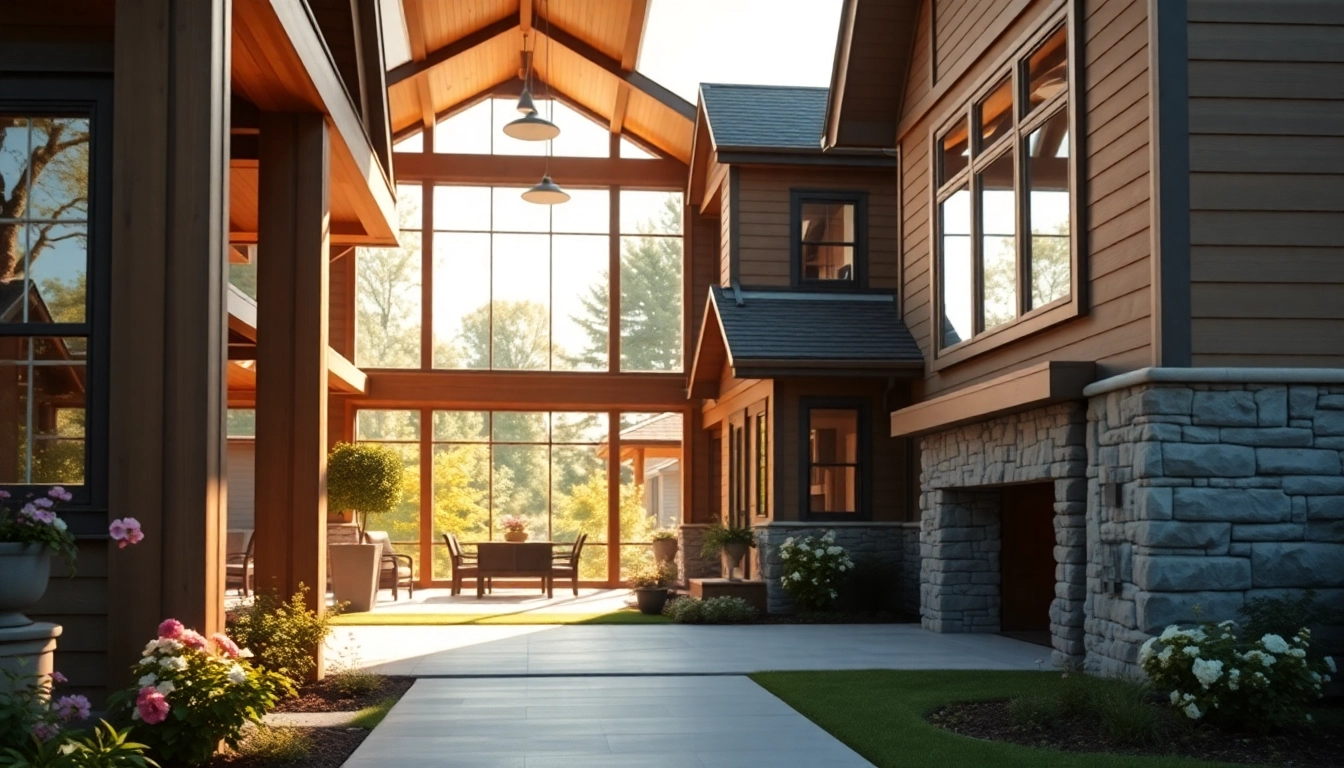
Moving toward the later styles, Cape Cod homes are iconic in New England, characterized by their low, sloping roofs, dormer windows, and warm wood siding. On the other hand, contemporary designs present an exciting contrast with open floor plans, expansive glass windows, and innovative materials that embrace sustainability and efficiency. Each style tells a story of cultural evolution while adequately responding to the aesthetic and functional needs of its residents.
Adapting to Climate and Environment
The unique climate of Massachusetts, characterized by cold winters and warm summers, has significantly influenced its architectural practices. Traditional designs primarily aimed to maximize natural light while ensuring adequate insulation to combat the chill of winter. Thick walls, centrally located fireplaces, and roof overhangs were common features that provided shelter from both cold and sunny weather.
In modern residential architecture, innovations such as energy-efficient windows and advanced insulation materials are increasingly prominent. Architects are now tasked with harmonizing aesthetics with functionality, ensuring that homes are not only visually appealing but also capable of standing the test of time, resilience, and climate change adaptation.
Importance of Sustainable Practices
As we progress into an era marked by environmental awareness and responsibility, sustainable architectural practices have risen to the forefront of home design. The integration of eco-friendly approaches in Massachusetts residential architecture is not merely an option but a necessity for future-proofing our homes and communities.
Energy Efficiency in Home Design
Energy efficiency is a cornerstone of sustainable architecture. New homes often incorporate high-performance HVAC systems, strategic natural ventilation, and smart home technologies to minimize energy consumption. Massachusetts has also implemented stringent energy codes that require new constructions to adhere to high standards of energy performance.
Additionally, many architects are opting for passive solar design techniques, which maximize sunlight exposure and enhance heating effects during the colder months, thus reducing reliance on artificial heating systems. Such measures translate to significant savings over time while contributing positively to the environment.
Selecting Eco-Friendly Materials
When selecting materials for residential architecture, sustainable choices are paramount. This involves using locally sourced materials that require less energy for transportation and embody lower carbon footprints. Materials like reclaimed wood, bamboo, and recycled steel are becoming increasingly popular.
Furthermore, the movement towards green building certifications, such as LEED (Leadership in Energy and Environmental Design), encourages the uptake of materials that promote sustainability. Utilizing sustainable materials not only supports environmental health but also enhances the durability and aesthetic appeal of residential projects.
Benefits of Green Architecture
Green architecture offers myriad benefits, extending beyond just environmental conservation. By integrating sustainable design principles, homeowners experience reduced utility bills due to lower energy consumption. Additionally, many find that eco-friendly homes tend to maintain higher resale values.
Socially, green architecture promotes healthier living environments. Features such as improved air quality from non-toxic materials and incorporation of natural lighting significantly contribute to the overall well-being of inhabitants. In essence, embracing sustainable practices creates a holistic approach to living that nurtures both the planet and its people.
Innovative Trends in Home Design
The architectural landscape in Massachusetts is perpetually evolving. With technological advancements and shifting societal needs, several innovative trends are shaping the future of home design in the state.
Incorporating Smart Home Technology
Smart home technology is revolutionizing residential architecture, allowing for increased convenience and efficiency. Homeowners now have access to systems that control lighting, heating, security, and even appliance management through their smartphones. This level of control not only improves the living experience but promotes energy conservation.
Architects in Massachusetts are increasingly integrating these technologies seamlessly into their designs, ensuring that they complement the aesthetic appeal of the home while delivering cutting-edge functionality. The ability to monitor and manage home systems remotely leads to enhanced comfort and peace of mind for residents.
Open Concept vs. Traditional Layouts
The debate between open-concept and traditional layouts is prevalent among current homeowners. Open concept designs, characterized by fluid space and minimal barriers, facilitate social interactions and make smaller spaces feel more expansive. On the other hand, traditional layouts provide defined rooms, offering privacy and designated functions which can be beneficial for families.
Architects now often find themselves weighing the advantages of both approaches, customizing designs to meet the unique needs of their clients. The result is a variety of hybrid layouts that incorporate elements from both styles, fostering livability while adhering to resident preferences.
Indoor-Outdoor Living Inspirations
Bridging indoor and outdoor spaces has gained traction among homeowners who increasingly value nature in their living environments. Design elements that facilitate outdoor access, such as expansive sliding doors, patios, and terraces, encourage a seamless transition between indoor comfort and outdoor leisure.
Incorporating landscaping into the design further enhances this connection. Outdoor living spaces can serve as extensions of the home, promoting relaxation and social gathering. As a result, architects are now focused on creating multifunctional spaces that cater to an outdoor lifestyle, which is particularly appealing in Massachusetts's temperate climate.
Planning Your Massachusetts Home Project
Embarking on a residential architecture project can be both exciting and overwhelming. With careful planning and a clear understanding of the processes involved, homeowners can navigate this journey successfully.
Initial Steps for Design and Budgeting
The first step in any home project should include consideration of your design preferences and budget constraints. Homeowners should start by identifying their needs, whether that's more living space, energy efficiency, or aesthetic updates. Establishing a realistic budget early on can help in prioritizing these needs effectively.
Working with an architect can provide invaluable insights into potential costs, timelines, and feasible design options. Detailing every aspect of the planned project—from materials to labor—ensures that homeowners remain informed and budget-conscious throughout the process.
Choosing the Right Architect
Hiring the right architect is crucial for turning your vision into reality. Begin by researching portfolios, seeking recommendations, and scheduling initial consultations to gauge compatibility. Look for architects who possess experience with the specific style or design concepts you favor.
Establishing a clear line of communication and assessing the architect's understanding of your desires will enable a productive partnership. A strong collaboration helps translate your goals into an architectural masterpiece, ensuring your residence meets both aesthetic and practical needs.
Legal Considerations and Permits
Before construction begins, it is imperative to navigate the legal landscape that governs residential projects in Massachusetts. This includes securing necessary permits and adhering to zoning laws, which can vary significantly by locality.
Consulting with your architect about these regulations will ensure compliance, minimizing the potential for unexpected delays or costs. Additionally, homeowners should consider engaging with local historical societies if working on older properties, as specific guidelines may apply. Fulfilling these legal considerations is an essential step toward a successful residential project.
Showcase of Notable Projects
Throughout Massachusetts, numerous architectural projects exemplify the creativity and craftsmanship present in the local architecture scene. These notable projects highlight how tradition and innovation can coexist harmoniously.
Modern Interpretations of Classic Styles
Many architects are reimagining traditional styles through modern lenses. This can be seen in homes that preserve historical designs while implementing contemporary materials and technologies. For example, a classic Colonial-style home may incorporate modern energy-efficient windows, updated open layouts, and smart home features, bringing a fresh yet respectful take on history.
These modern interpretations serve to honor architectural heritage while enabling new generations to enjoy the functionality and beauty of these classic styles in a way that suits contemporary lifestyles.
Community Living Projects
As society shifts towards communal living models, numerous projects in Massachusetts have demonstrated that architecture can shape community interactions. Multi-family homes, co-housing developments, and mixed-use spaces encourage interaction among residents while utilizing space efficiently.
These community-centric designs foster relationships while allowing for shared amenities and resources, ultimately contributing to a sense of belonging and collaboration. Architects are thus challenged to create spaces that are both personalized and interconnected, fulfilling the evolving dynamics of living.
Winning Design Competitions in Massachusetts
Design competitions have become platforms for creative expression and innovation in Massachusetts's architectural community. Winning projects not only gain recognition but often introduce groundbreaking concepts and approaches that elevate the architectural discourse.
Projects that showcase originality and sustainability stand out, reflecting the ideals of contemporary society. These successful endeavors serve as inspiration for future work, driving architects to explore new possibilities in design.
FAQs
What are the main architectural styles in Massachusetts?
Massachusetts features a variety of architectural styles, including Colonial, Greek Revival, Victorian, and modern contemporary designs, each with unique characteristics influenced by the state’s history.
How important is sustainable architecture?
Sustainable architecture is vital as it minimizes environmental impact, enhances energy efficiency, and promotes healthier living spaces, ensuring a better quality of life for residents.
What should I consider when hiring an architect?
When hiring an architect, consider their experience with your desired style, check their portfolio, ensure compatibility, and discuss your vision and budget comprehensively.
What are the benefits of open-concept design?
Open-concept designs create spacious, fluid living spaces that promote social interaction, maximize natural light, and enhance the overall sense of expansiveness in the home.
How do I ensure compliance with local building codes?
To ensure compliance, collaborate with your architect, familiarize yourself with the local regulations, and secure necessary permits before initiating your construction project.