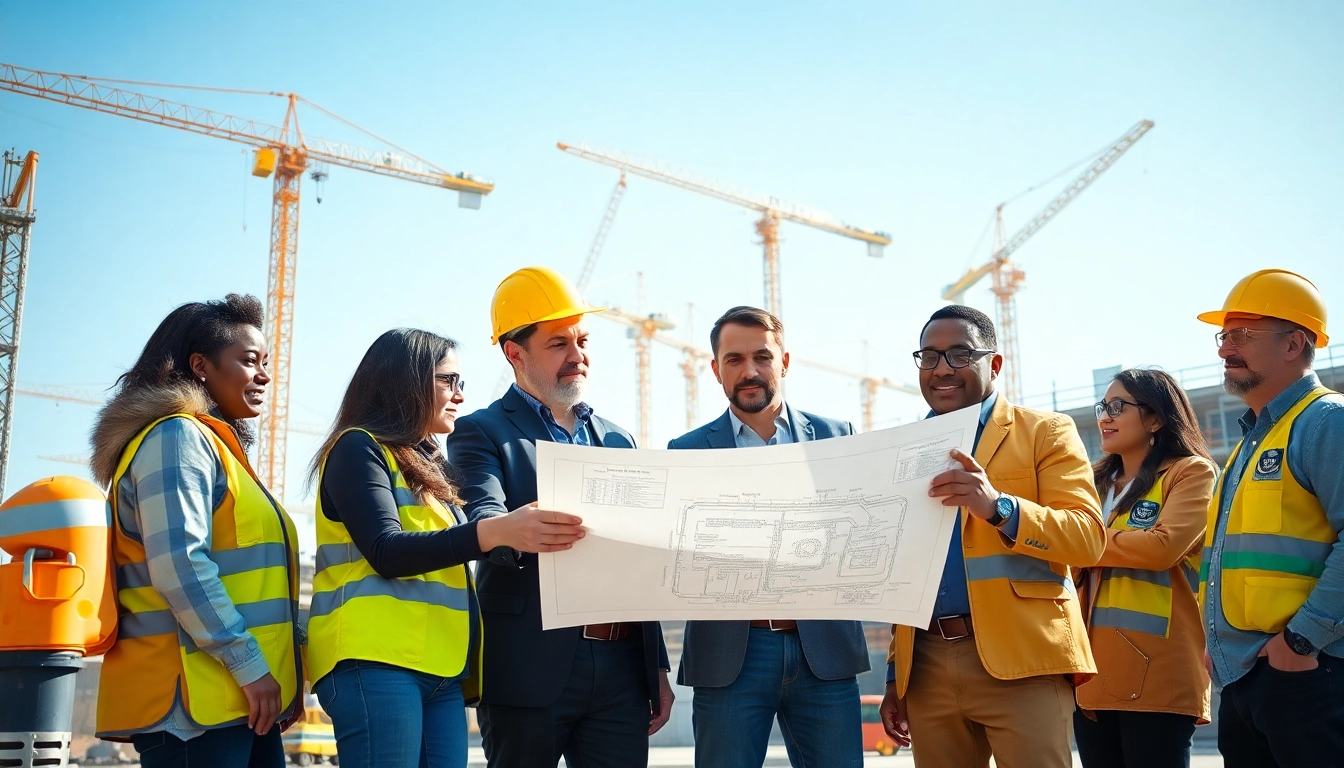
Understanding Construction Advocacy and Its Importance
What is Construction Advocacy?
Construction advocacy refers to the coordinated efforts of individuals, organizations, and trade associations to promote and protect the interests of the construction industry. Advocates represent a wide spectrum of voices within the sector—from builders and contractors to engineers and architects. A crucial part of this advocacy includes influencing public policy, engaging with stakeholders, and addressing the challenges facing the industry. Moreover, it aims to ensure that the industry receives the recognition and resources necessary for growth and sustainability. In today’s rapidly evolving landscape, the need for effective construction advocacy is more relevant than ever, as it plays a pivotal role in shaping policies that affect economic stability and innovation.
Key Benefits of Construction Advocacy
Engaging in construction advocacy provides numerous benefits, not just to those within the industry but also to the communities they serve. Some of the key benefits include:
- Influencing Legislation: Advocacy can lead to favorable regulations and policies that support the construction sector, such as funding for infrastructure projects.
- Enhancing Industry Visibility: By representing collective interests, advocacy highlights the importance of the construction industry to economic growth and community development.
- Fostering Collaboration: It encourages partnerships among stakeholders, including public agencies, private entities, and educational institutions, leading to more innovative solutions.
- Building Public Support: Advocacy efforts can help shift public perception, showcasing the positive impact of construction projects on society.
Impact on Industry Growth and Development
Construction advocacy is integral to the growth and evolution of the sector. By actively engaging with policymakers, advocacy groups can help secure funding for essential projects that stimulate job creation and infrastructure enhancements. Additionally, the construction industry faces numerous challenges, from workforce shortages to sustainability concerns. Proactive advocacy can bring these issues to the forefront, facilitating collaborative strategies and long-term solutions that benefit everyone involved in the sector.
Finding Your Voice in Construction Advocacy
Identifying Key Stakeholders
To effectively advocate for the construction industry, understanding the unique perspectives and needs of various stakeholders is crucial. Key players typically include:
- Contractors: Representing the business side, they convey challenges related to regulations, labor, and profitability.
- Architects and Engineers: They provide insights on design and technical concerns, ensuring that projects are feasible and sustainable.
- Labor Unions: Advocating for workers' rights and safety, their involvement is essential to address labor shortages and training issues.
- Government Entities: Local, state, and federal bodies that establish policies affecting the industry.
- Community Organizations: Focusing on social impacts and public welfare tied to construction initiatives.
Crafting Effective Messaging
For construction advocacy to be successful, it is essential to craft compelling messages that resonate with stakeholders and the public. Effective messaging should be clear, relatable, and focused on the benefits of advocating for construction issues. Consider employing the following strategies:
- Use Data-Driven Evidence: Support claims with statistics, case studies, and examples that illustrate the benefits of proposed policies.
- Highlight Community Impact: Emphasize how construction projects enhance local economies, provide job opportunities, and improve infrastructure.
- Incorporate Personal Stories: Sharing testimonials from industry professionals or community members can make the case more compelling.
Building Strategic Partnerships
Building alliances with diverse stakeholders amplifies the voice of the construction industry. Strategic partnerships can lead to collaborative efforts that address key issues effectively. Here are some steps to establish fruitful partnerships:
- Identify Common Goals: Align your objectives with those of potential partners to create mutually beneficial outcomes.
- Engage in Dialogue: Foster open communication to build trust and understand partners' viewpoints and concerns.
- Participate in Coalitions: Join forces with other organizations to strengthen advocacy efforts and pool resources for larger campaigns.
Best Practices for Effective Advocacy
Utilizing Social Media and Online Platforms
In today’s digital age, leveraging social media and online platforms is vital for effective advocacy. These tools enable instant communication and outreach to a broader audience. Best practices include:
- Engage Regularly: Consistently post content related to construction advocacy, such as updates on policy changes, industry news, and success stories.
- Utilize Visual Content: Infographics, videos, and images help convey complex information in digestible formats.
- Encourage Dialogue: Foster discussions by responding to comments, hosting Q&A sessions, and conducting polls or surveys.
Engaging the Community and Media
Community engagement is crucial in construction advocacy as it builds a base of support. Showcase how construction projects benefit the community by:
- Hosting Public Forums: Organize events to discuss construction projects and gather community input.
- Inviting Media Coverage: Work with local media to highlight significant projects and their impact on the community.
- Creating Informative Newsletters: Curate newsletters that provide updates and insights on construction advocacy efforts.
Creating Educational Resources
Education is a powerful tool in construction advocacy. Providing resources that inform stakeholders and the community can foster understanding and support. Consider creating:
- Fact Sheets: Summarize key issues, upcoming policies, or statistics relevant to construction.
- Workshops and Webinars: Host sessions to educate stakeholders about advocacy, best practices, and industry trends.
- Resource Guides: Develop comprehensive guides that outline how stakeholders can get involved in advocacy efforts.
Measuring Success in Construction Advocacy
Establishing Clear Goals and Metrics
Measuring success in construction advocacy necessitates clear objectives and quantifiable metrics. Goals should focus on both short-term outcomes (such as campaign reach) and long-term impacts (like legislative changes). Useful metrics can include:
- Policy changes implemented as a result of advocacy efforts.
- Increased participation rates in advocacy campaigns and events.
- Growth in community engagement through social media platforms.
Evaluating Community Engagement
Evaluating community engagement provides insights into the effectiveness of advocacy efforts. Focus on collecting data about community awareness and perceptions of construction projects through surveys and feedback mechanisms. Metrics to track include:
- Attendance and participation rates in community forums and events.
- Social media engagement (likes, shares, comments) related to advocacy activities.
- Feedback and testimonials from community members regarding construction initiatives.
Assessing Advocacy Impact on Policies
Ultimately, the impact of construction advocacy should be evaluated based on its influence on public policies. Regularly review legislative changes initiated by advocacy efforts, along with ongoing discussions with policymakers. Key assessment techniques include:
- Tracking legislative proposals and their outcomes.
- Conducting assessments on how new regulations align with advocacy goals.
- Gathering feedback from stakeholders involved in advocacy to gauge perceived success.
Future Trends in Construction Advocacy
Embracing Technology and Innovation
As the construction industry evolves, so too does the landscape of advocacy. Future trends indicate a further integration of technology, such as Building Information Modeling (BIM) and construction automation, highlighting the need for advocacy that addresses these advancements. Embracing technology can lead to:
- Improved efficiencies in project delivery and cost reduction.
- Enhanced partnerships between tech companies and construction firms.
- Better data collection and sharing to inform advocacy efforts.
Adapting to Regulatory Changes
The construction industry is continually faced with new regulations, making adaptability key for effective advocacy. Future advocates must stay ahead of the curve and respond proactively to these changes by:
- Monitoring regulatory trends at local, state, and federal levels.
- Establishing relationships with legislators to advocate for favorable conditions.
- Preparing stakeholders for shifts in regulations and compliance requirements.
Enhancing Inclusivity in the Construction Sector
Another critical future trend is the focus on inclusivity within the construction industry. As advocates work towards creating a more diverse workforce, they must address barriers to entry for underrepresented groups. Steps to enhance inclusivity can include:
- Implementing mentorship programs for youth from underrepresented communities.
- Advocating for policies that support equitable hiring practices.
- Creating awareness campaigns highlighting the benefits of diversity in construction.
FAQs
What is the role of construction advocacy?
Construction advocacy focuses on promoting the interests of the construction industry, ensuring that stakeholders' needs are met through effective communication and policy influence.
Who are the key stakeholders in construction advocacy?
Key stakeholders include contractors, architects, engineers, labor unions, government bodies, and community organizations involved in the construction sector.
How can organizations engage in construction advocacy?
Organizations can engage through strategic messaging, collaborating with other entities, participating in community discussions, and leveraging social media platforms.
What metrics are essential for measuring advocacy success?
Metrics include community engagement levels, policy changes influenced, stakeholder participation rates, and the reach of advocacy campaigns.
What future trends are emerging in construction advocacy?
Future trends involve increased technology integration, greater focus on sustainability, regulatory adaptation, and enhanced diversity and inclusion practices within the sector.