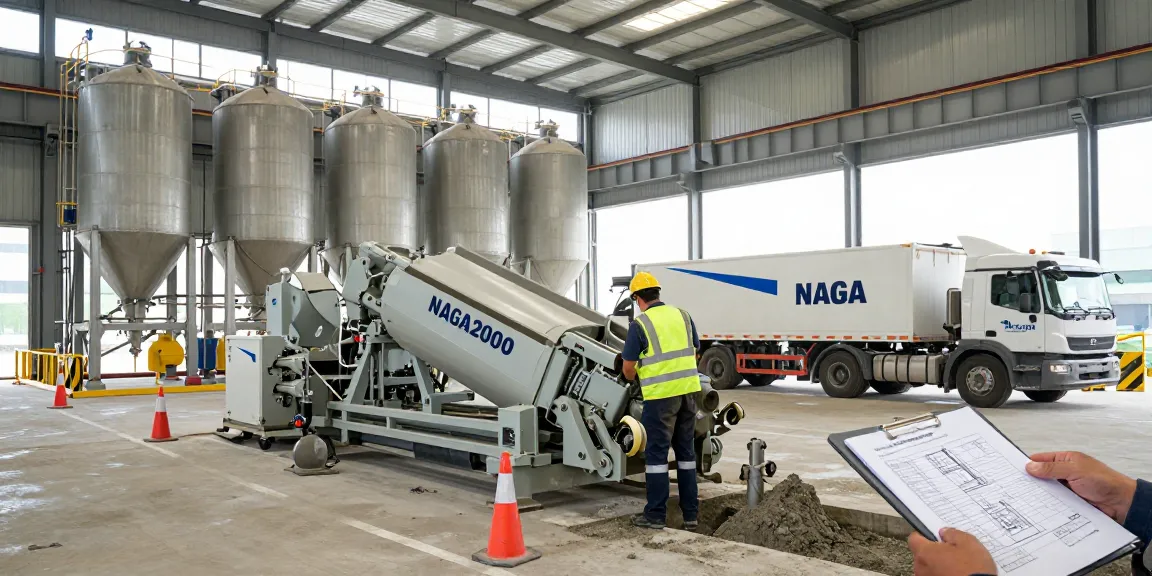
Understanding the Importance of Construction Training
Why Construction Training Matters
In the ever-evolving landscape of the construction industry, construction training serves as a cornerstone for operational success and safety. It is not just a regulatory requirement; it is vital for ensuring that all personnel possess the necessary skills and knowledge to execute their tasks effectively. Effective training enhances productivity, reduces errors, and ultimately leads to safer work environments. In addition, it ensures compliance with industry standards and regulations, which is crucial in mitigating legal risks.
Common Challenges in the Industry
Despite its importance, the construction industry faces numerous challenges that impact the provision and effectiveness of training programs. High turnover rates, skill shortages, and varying levels of educational backgrounds among workers create significant hurdles. Additionally, the rapid pace of technological advancement means that workers must continuously update their skills. Lack of engagement in traditional training methods often leads to poor retention of information, making it imperative for employers to adopt more dynamic training approaches.
Building a Skilled Workforce
Investing in comprehensive construction training programs helps build a skilled workforce that can adapt to changing demands and technologies. By focusing on foundational skills as well as specialized training, companies can cultivate expertise that enhances efficiency and mitigates workplace accidents. Moreover, targeted training fosters a culture of continuous improvement, allowing workers to grow their skill sets and advance their careers within the organization.
Key Components of Effective Construction Training Programs
Curriculum Development and Planning
An effective training program begins with well-structured curriculum development that aligns with the needs of the industry and regulatory requirements. This planning phase should include input from various stakeholders, including project managers, safety officers, and experienced workers. Incorporating real-world scenarios and case studies into the curriculum ensures relevance and enables learners to connect theory with practice.
Utilizing Technology in Training
The integration of technology into training programs is essential in the modern construction landscape. Online learning platforms, virtual reality simulations, and interactive modules can enhance engagement and facilitate a more hands-on approach. Technology allows for flexible learning that can be accessed anytime and anywhere, making it easier for workers to fit training into their schedules. Furthermore, data analytics can provide insights into learning patterns and areas requiring additional focus.
Hands-On Experience: A Learning Necessity
While theoretical knowledge is important, hands-on experience is where real learning occurs in construction. Practical training allows workers to tackle real-life problems, use tools safely, and understand equipment operation within controlled environments. Apprenticeships and on-the-job training programs are effective methods for providing this experiential learning. Companies should ensure that such opportunities are structured, supervised, and coupled with constructive feedback to maximize efficiency and retention.
Best Practices for Implementing Construction Training
Engaging Training Techniques
To maximize the effectiveness of training, employing engaging techniques that maintain learners’ attention is crucial. Interactive workshops, gamified learning experiences, and collaborative projects keep participants motivated. Incorporating multimedia content such as videos and infographics can cater to various learning styles and facilitate better comprehension. Ultimately, training environments should foster discussion and encourage questions to promote a culture of learning.
Assessing Learner Progress
Consistent assessment of learner progress is vital for ensuring that training objectives are being met. Implementing quizzes, practical demonstrations, and peer assessments helps gauge understanding and identify areas needing improvements. More importantly, these assessments provide valuable feedback that can be used to refine training materials and methods, ensuring a responsive and effective learning environment.
Feedback and Continuous Improvement
A robust construction training program cannot stand still. Gathering feedback from participants and trainers allows for constant enhancement of training initiatives. Surveys or informal discussions can uncover insights into what works and what does not. By analyzing this feedback, organizations can make informed adjustments, ensuring that the training remains relevant and effective in meeting industry challenges.
Measuring Success in Construction Training Initiatives
KPI Development and Tracking
Establishing Key Performance Indicators (KPIs) is essential for measuring the success of training initiatives. Metrics such as training completion rates, assessment scores, and on-the-job performance improvements can all indicate the effectiveness of programs. Tracking these metrics over time can help organizations identify trends and assess the overall impact of their training efforts on workforce development.
Evaluating Training Outcomes
Evaluating training outcomes involves both quantitative and qualitative assessments. Beyond checking if the training was completed, organizations should look at how well the knowledge has been applied in the field. Metrics like reduced incidents, increase in productivity, and worker satisfaction can paint a more accurate picture of program success. Additionally, case studies from completed projects can offer valuable insights into the practical impact of the training.
Adapting to Industry Changes
The construction industry is subject to constant shifts in regulations, technology, and techniques. Therefore, training programs must be adaptable and responsive to these changes. Continuous monitoring of industry trends and standards will enable organizations to update their training curriculums accordingly, ensuring that workers are equipped with the most current knowledge and skills required to excel in their roles.
Future Trends in Construction Training
Emerging Technologies and Methods
As the construction industry embraces digital transformation, training programs will increasingly incorporate emerging technologies such as drones, Building Information Modeling (BIM), and robotics. Virtual and augmented reality also have the potential to revolutionize training by providing immersive environments where workers can practice skills safely. Organizations that invest in these technologies will have a competitive edge by preparing their workforce for the future landscape of construction.
Continuing Education and Certification
The demand for continuous education and certification is on the rise as industry standards become more stringent. Organizations should encourage their employees to pursue ongoing education opportunities, whether through formal courses, workshops, or accredited certifications. This not only enhances individual capabilities but also improves the overall competency of the workforce, preparing the organization to tackle more complex projects.
Fostering a Culture of Safety and Learning
Finally, fostering a culture that prioritizes safety and learning is paramount in the construction industry. Organizations must promote a mindset where ongoing training is valued and seen as integral to daily operations. This includes regular safety briefings, discussions about lessons learned from incidents, and incorporating safety training into regular training schedules. A proactive approach to learning can significantly decrease workplace accidents, bolster morale, and lead to an engaged and knowledgeable workforce.
Frequently Asked Questions
What is the purpose of construction training?
Construction training is designed to equip workers with the necessary skills, knowledge, and safety procedures required for effective and safe job performance in the construction industry.
How often should training be updated?
Training programs should be regularly updated to reflect changes in technology, industry standards, and regulatory requirements, ensuring that workers remain competent and compliant.
What types of training do construction workers receive?
Construction workers typically receive training in safety protocols, equipment operation, project management, and specialized skills related to their specific roles within the construction process.
Can technology enhance construction training?
Yes, technology such as virtual reality, online platforms, and interactive modules can significantly enhance engagement and improve learning outcomes in construction training.
What are key performance indicators for training success?
Key performance indicators for training success may include training completion rates, skill assessment scores, performance improvements on the job, and reduced workplace incidents.