
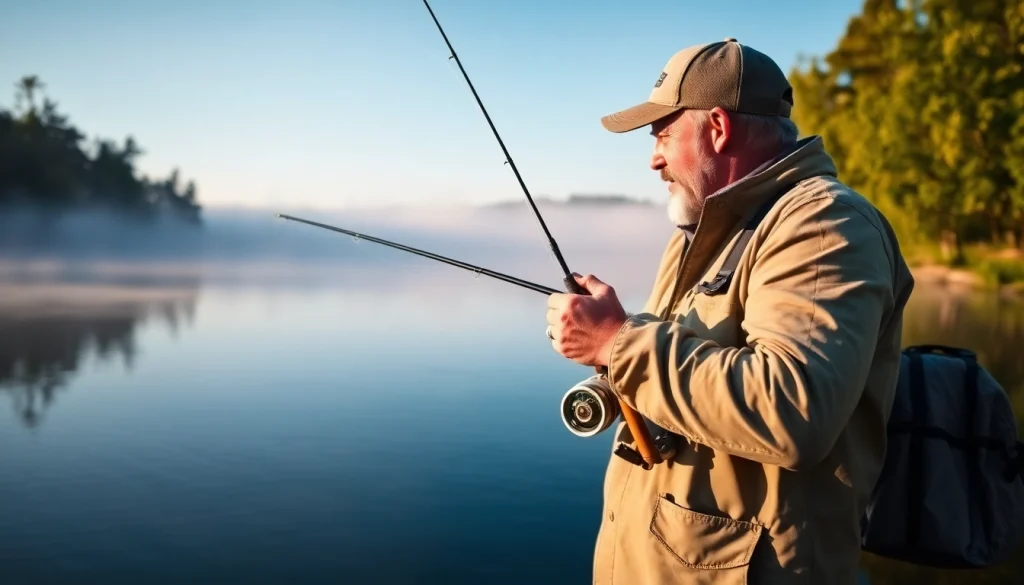
Are you eager to dive into the world of fly fishing but unsure where to start? Finding quality instruction is crucial for mastering the art of this unique fishing method. Luckily, you can search for Fly fishing lessons near me to help you connect with local experts and facilities. In this comprehensive guide, we’ll discuss the essential aspects of fly fishing, how to find the right lessons, techniques to enhance your skills, safety and regulations, and address common queries regarding lessons.
Understanding Fly Fishing Basics
What is Fly Fishing?
Fly fishing is a method of angling that utilizes lightweight lures called flies, which are cast using a specialized fly rod and reel. Rather than relying solely on bait, fly fishing imitates the behavior of insects or small fish that attract the attention of the target fish. This technique requires skill in casting and precision when presenting the fly on the water.
Essential Gear for Beginners
The right equipment can significantly influence your initial experience with fly fishing. Here’s a list of essential gear:
- Fly Rod: Choose a rod suited for the type of water and fish species you target.
- Fly Reel: A proper reel helps manage line retrieval and drag functions.
- Line: Use weight-forward floating lines that help in casting the fly accurately.
- Leader and Tippet: A tapered leader ensures your fly behaves naturally on the water.
- Flies: Select patterns that mimic local insects or baitfish.
Understanding Water Types and Fish Behavior
Different fish species inhabit various water types, including rivers, lakes, and saltwater. Understanding where fish feed, their behavior based on weather and time of day, can dramatically enhance your success. Conducting research or discussing with local instructors can provide insights into fish migration patterns prevalent in your area.
Finding Fly Fishing Lessons Near Me
Researching Local Venues
When searching for fly fishing classes, look for local fishing shops, outdoor recreation stores, or community centers that typically offer lessons. Many fishing charters also provide instructional services for beginners who want an immersive experience.
Using Online Resources Effectively
Utilizing online platforms can yield various options. Websites dedicated to outdoor sports and fishing often have directories for lessons. Additionally, search engines can help you identify nearby fishing schools or private instructors with good reviews.
Timing Your Lessons for Optimal Learning
Consider timing your lessons around seasonal fish spawning or feeding patterns for higher chances of success. Early mornings or late evenings on weekends can be ideal for both catching fish and receiving instruction.
Techniques to Enhance Your Fly Fishing Skills
Different Casting Techniques Explained
Mastering casting techniques is one of the most critical skills in fly fishing. Here are a few key types:
- Overhead Cast: This fundamental technique is used for most types of fly fishing.
- Roll Cast: Useful in situations where you have limited backcasting space.
- Double Haul: Increases line speed and casting distance, helpful for windy conditions.
Reading the Water for Better Success
Understanding the water’s structure, including currents and eddies, can significantly affect your ability to catch fish. Fish tend to hold in areas where the current creates eddies or where they can find cover such as rocks or vegetation. Observing these details during your lessons can help build your fishing intuition.
Understanding Fly Selection and Presentation
Choosing the right fly and presenting it accurately is vital for successful angling. Factors like water conditions, time of year, and target species dictate the best fly types. A good instructor will guide you through the nuances of fly selection and how to adjust your presentation based on environmental factors.
Safety and Regulations in Fly Fishing
Understanding Local Fishing Laws
Before heading out, ensure you are familiar with local fishing regulations, including licensing, seasonal restrictions, and catch limits. Many states have distinct rules regarding certain species and fishing methods which can affect your lessons and fishing experience.
Best Practices for Catch and Release
Practicing catch and release is essential for conserving fish populations. When releasing fish, use techniques to increase their survival rate, such as minimizing handling time, wetting your hands before touching the fish, and using barbless hooks or hook cutters when necessary.
Staying Safe on the Water
Fly fishing can take you to various remote locations. Always adhere to basic safety measures: wear appropriate clothing, carry a first-aid kit, inform someone about your trip, and know the weather forecast before embarking on your fishing ventures.
FAQs about Fly Fishing Lessons Near Me
What Should I Bring to My First Lesson?
Bring suitable clothing for weather conditions, any personal fishing gear you may have, and water. Most instructors will provide fishing equipment if you are a total beginner.
How Long Do Fly Fishing Lessons Typically Last?
Lessons usually last from two to four hours, depending on the program. Some classes even offer full-day options that allow for extensive practice.
Are Lessons Suitable for All Ages?
Yes! Fly fishing lessons can cater to all ages, with instructors often adapting sessions based on participants’ skill levels and experiences.
What is the Cost of Fly Fishing Lessons?
The price for lessons varies widely based on location, instructor expertise, and duration. Expect to pay between $70 to $150 per person for a typical session.
How Do I Choose the Right Instructor?
Look for instructors with strong local knowledge, good reviews, and relevant certifications. Additionally, a great rapport with your instructor can significantly enhance your learning experience.