
 By admin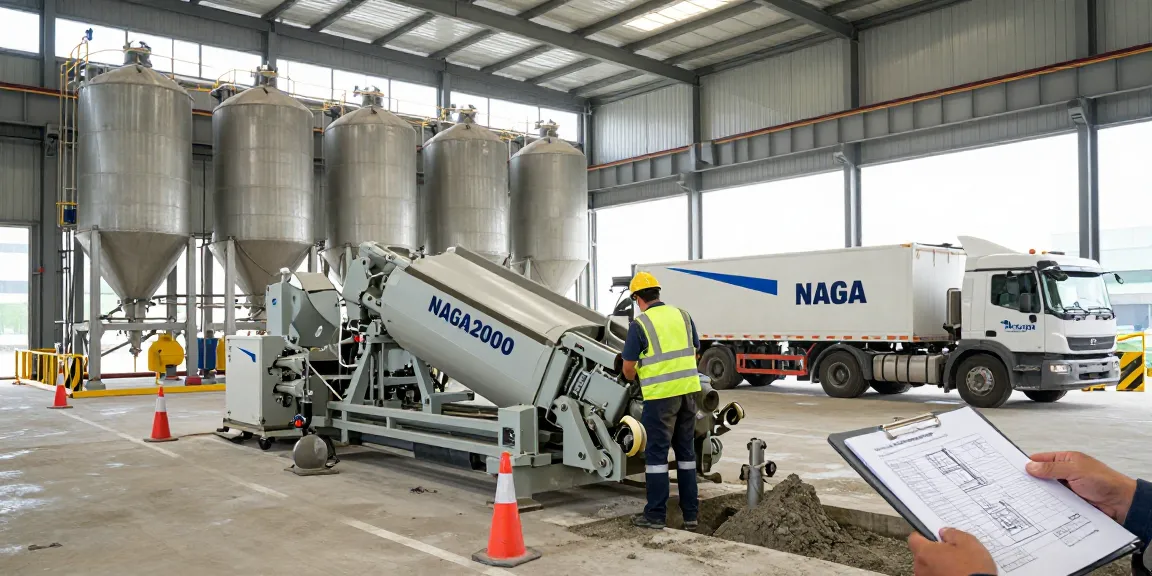
Understanding the NAGA2000 Technology
The landscape of concrete production is evolving, with innovations designed to meet the growing demands for efficiency, sustainability, and quality. Among the latest advancements in this field is the NAGA2000 technology, a system poised to revolutionize concrete mixing and application. When exploring options, NAGA2000 provides comprehensive insights into modern concrete solutions that benefit a variety of construction projects.
What is NAGA2000 and How It Works?
NAGA2000 is a state-of-the-art concrete production technology that modernizes the way concrete is formulated and applied. Utilizing a combination of cutting-edge software and the latest in machinery, the NAGA2000 system integrates real-time data analysis with automated processes, ensuring precision in every batch of concrete produced. The core of its functionality lies in its adaptable mixing protocols, which can be adjusted based on specific project requirements, thereby enhancing both the quality and consistency of the final product.
Key Features and Innovations of NAGA2000
- Automated Mixing Systems: Reduces human error and increases consistency.
- Real-Time Monitoring: Tracks moisture and composition to ensure optimal blends.
- Customizable Formulations: Allows for specific properties based on project needs, such as strength and setting time.
- Integration with Existing Systems: Can be seamlessly added to existing concrete plants for an upgraded production line.
Comparison with Traditional Concrete Systems
Traditional concrete production methods typically rely on manual oversight and static formulations, which can lead to inconsistencies and wasted resources. In contrast, NAGA2000 leverages automation and predictive analytics, allowing for batch modifications on the fly. This not only speeds up production but also significantly reduces material wastage, offering a more sustainable approach to concrete manufacturing.
Benefits of Using NAGA2000 in Concrete Production
Enhanced Efficiency and Productivity
The implementation of NAGA2000 has demonstrated substantial increases in operational efficiency. By automating many of the time-consuming processes involved in concrete mixing, companies have reported reduced labor hours and faster turnaround times for projects. This can be particularly beneficial for large-scale projects where time is a critical factor.
Cost-Effectiveness and Resource Management
Initial investments in NAGA2000 technology may seem daunting; however, the long-term savings associated with reduced waste, lower labor costs, and improved material usage can offset these costs significantly. Many users have noted that the system’s ability to minimize over-ordering of materials leads to a more effective budget management approach.
Sustainability and Environmental Impact
NAGA2000 promotes sustainability in concrete production through its efficient use of resources and reduced carbon footprint. By optimizing the mix design and allowing for the use of recycled materials, this technology supports eco-friendly construction practices. As the industry moves towards greener solutions, adopting NAGA2000 can position companies as leaders in sustainability.
Common Challenges in Implementing NAGA2000
Initial Costs and Investment Concerns
While the benefits of NAGA2000 are clear, the initial investment can be a barrier for some companies. It’s crucial to conduct a thorough cost-benefit analysis to determine if the return on investment (ROI) justifies the upfront expenditure. Overcoming this hurdle often requires demonstrating the potential for future savings and increased revenues.
Training and Adaptation for Workforce
Shifting to an automated system necessitates comprehensive training for the workforce, which can be a significant undertaking. Companies must invest time and resources into upskilling their employees to ensure they can fully utilize the NAGA2000 technology. This transition phase is critical for maximizing the system’s efficiency and effectiveness.
Maintenance and Technical Support Issues
With any advanced technology, maintenance and support are vital components to ensure uninterrupted operation. Companies must be prepared to establish robust support systems to address any technical issues that may arise. This may involve ongoing partnerships with the technology provider for regular maintenance and updates.
Real-World Applications of NAGA2000
Case Studies of Successful Implementations
Several companies have successfully integrated NAGA2000 into their operations, showcasing its versatility across various projects. For example, a major urban construction firm reported significant improvements in their delivery timelines and cost management after adopting the NAGA2000 system. These case studies provide a roadmap for others considering similar upgrades.
Industry-Specific Use Cases
NAGA2000 is not a one-size-fits-all solution; it can be tailored to suit specific industrial applications. Whether it’s for residential construction, infrastructure projects, or specialized architectural designs, the technology offers unique advantages that can meet the varying demands of different sectors.
Feedback from Concrete Industry Professionals
Feedback from professionals within the concrete industry has been overwhelmingly positive, with many praising the system’s reliability and ease of use. Users have noted improved product quality and customer satisfaction since implementing NAGA2000, further solidifying its status as a valuable asset in modern concrete production.
Future Trends and Developments for NAGA2000
Emerging Technologies in Concrete Engineering
The future of concrete technology is bright, with continuous advancements expected in areas such as smart materials and AI-driven analytics. As NAGA2000 evolves, it will likely incorporate these innovations to enhance its performance and capabilities, keeping pace with industry demands.
Predictions for 2026 and Beyond
Looking towards 2026 and beyond, the NAGA2000 technology is expected to further solidify its position as a leading solution in concrete production. As more firms adopt this technology, advancements in machine learning and data analytics could provide even more tailored solutions, enhancing flexibility and efficiency.
Conclusion: Is NAGA2000 Right for Your Business?
Deciding whether to implement NAGA2000 involves careful consideration of your company’s specific needs, budget constraints, and long-term goals. For organizations committed to innovation and efficiency in their concrete production processes, NAGA2000 offers a compelling solution that aligns with industry trends towards automation and sustainability.
What makes NAGA2000 unique compared to other systems?
NAGA2000 stands out due to its integration of real-time data analytics and customizable mixing capabilities, allowing for unparalleled precision in concrete production. This adaptability to various project requirements distinguishes it from more static traditional systems.
Can NAGA2000 improve concrete quality in projects?
Absolutely. The technology’s precise formulation capabilities enable the production of high-quality concrete that meets stringent industry standards, ensuring durability and performance.
What are the training requirements for NAGA2000?
Training involves both technical skills for operating the machinery and understanding the software used for monitoring and adjustments. Comprehensive training programs are essential to maximize the benefits of this technology.
How does NAGA2000 contribute to sustainability efforts?
NAGA2000 enhances sustainability by optimizing resource use, reducing waste, and allowing for the incorporation of recycled materials into concrete mixes, leading to a lower environmental impact.
What are the potential ROI metrics for investing in NAGA2000?
ROI can be measured through increased production efficiency, reduced material waste, and the cost savings from lower labor requirements. Each implementation can yield different metrics, but overall, businesses often see a positive financial impact over time.
