Understanding the Appeal of Island Light Fixtures
Lighting can transform a space, and few elements do it as effectively as island light fixtures. These fixtures not only illuminate the area but also serve as a focal point and style statement in various settings, particularly in kitchens and dining areas. This comprehensive guide will explore island light fixtures, their benefits, design variations, installation tips, maintenance, and contemporary trends, ensuring you have everything you need to enhance your space.
What are Island Light Fixtures?
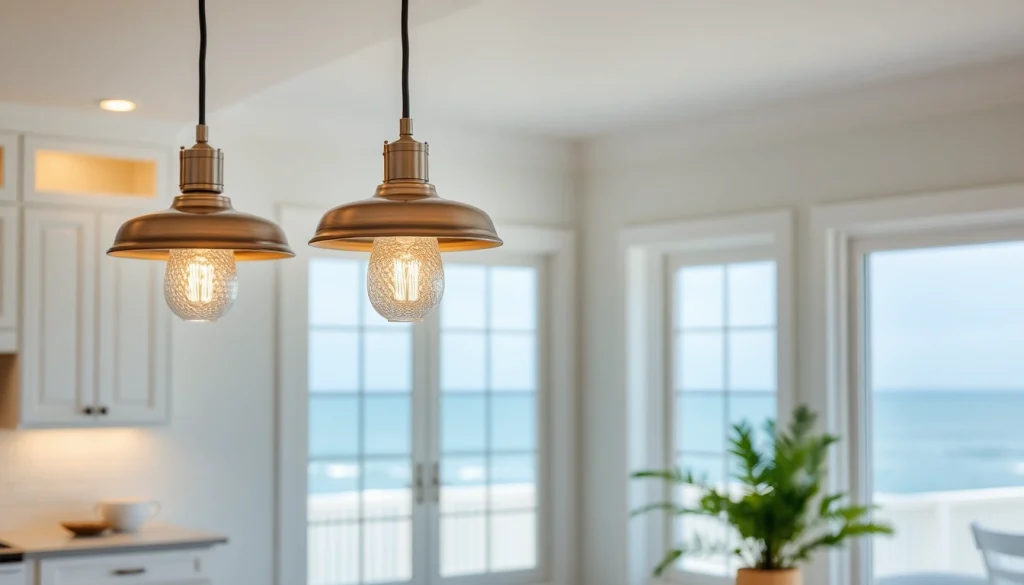
Island light fixtures are specialized lighting solutions typically suspended above kitchen islands or dining tables. They come in various styles, shapes, and sizes, tailored to provide optimal lighting and aesthetic appeal for those areas. Innovative designs often combine function and art, featuring multiple bulbs or unique structures that draw attention and create ambiance in the room.
Benefits of Using Island Light Fixtures
Utilizing island light fixtures provides numerous advantages:
- Enhanced Visibility: Well-placed fixtures significantly improve visibility in often-used areas like kitchens and dining spaces.
- Visual Appeal: They can act as statement pieces, enhancing the overall décor and creating a welcoming atmosphere.
- Task Lighting: They offer focused lighting, which is essential for cooking and dining tasks.
- Versatility: Available in various styles, these fixtures can seamlessly fit into both modern and traditional home aesthetics.
How to Choose the Right Style
Selecting the right island light fixture involves considering several factors:
- Existing Décor: Choose a fixture that complements the current style of your space, whether it’s rustic, contemporary, or industrial.
- Size of the Island: Ensure the fixture size is proportional to the island or table. A large fixture can overwhelm a small area, while a petite piece might get lost in a vast space.
- Lighting Needs: Assess the level of brightness required based on how the space is used.
- Fixture Height: Too high may fail to provide adequate light; too low can obstruct your view.
Design Variations for Island Light Fixtures
Traditional vs. Modern Island Light Fixtures
Island light fixtures can be categorized into traditional and modern designs. Traditional fixtures often feature ornate details, brass finishes, and classic glass shades, adding warmth and timeless elegance to a room. In contrast, modern fixtures may use clean lines, geometric shapes, and materials like metal and glass, embodying minimalism and contemporary flair.
Material Considerations for Durability
The choice of material significantly impacts the durability and maintenance of island light fixtures. Common materials include:
- Metal: Sturdy and suitable for modern designs, metals such as brass, steel, or wrought iron are often used.
- Glass: Available in various textures and colors, glass can soften the look of a fixture and enhance light diffusion.
- Wood: Provides a rustic charm, particularly in farm-style kitchens.
- Fabric: Offers a softer touch but may require more maintenance to prevent staining.
Color Schemes to Complement Your Space
The color of your island light fixture should harmonize with the broader color palette of your kitchen or dining area. Neutral tones offer versatility, while bold colors can serve as striking focal points. Consider matching your fixture with other elements in the room, such as cabinet finishes, countertops, or even wall colors, to create a cohesive look.
Installation and Placement Tips
Optimal Height for Island Light Fixtures
Optimal height for hanging island light fixtures is vital for both aesthetics and functionality. Generally, fixtures should hang approximately 30 to 36 inches above the countertop. This height ensures adequate lighting while allowing enough headroom for those using the space.
Spacing Guidelines for Multiple Fixtures
If installing multiple island light fixtures, spacing becomes critical. Typically, fixtures should be spaced 24 to 30 inches apart. This arrangement ensures even lighting distribution while preventing overlapping shadows. When installing multiple fixtures, also consider their sizes—larger fixtures may require more space between them.
Electrical Considerations and Safety
Electrical safety is paramount when installing island light fixtures. Ensure that the circuit can handle the load of the new fixtures and consider hiring a qualified electrician for installations. Use properly rated fixtures for secure connections, and ensure that all components comply with local electrical codes.
Maintenance and Care for Island Light Fixtures
Cleaning Techniques for Different Materials
Regular cleaning is essential to maintain the aesthetic appeal of your island light fixtures. Here are some effective cleaning techniques based on material:
- Metal Fixtures: Wipe with a soft cloth dampened with warm soapy water and dry immediately to prevent tarnishing.
- Glass Fixtures: Use glass cleaner or vinegar solution to avoid streaks and maintain brilliance.
- Wood Fixtures: Dust regularly; if watermarks appear, use a specialized wood cleaner.
- Fabric Shades: Vacuum and spot clean stains with a mild detergent.
Regular Maintenance Routines
Establishing a routine for maintenance will prolong the life of your fixtures. Regularly check for loose bulbs, and promptly replace them. Inspect for signs of wear or damage, especially with electrical components. A well-maintained fixture looks better and operates more efficiently.
When to Replace Your Fixtures
There will come a time when replacing your island light fixtures is necessary. Signs include flickering lights or dim illumination, indicating that electrical components may be failing. Moreover, outdated designs or significant wear can detract from your space, necessitating an upgrade to a more modern fixture.
Trends in Island Light Fixtures
Current Design Trends to Watch
Staying up-to-date with current design trends can inspire your selection of island light fixtures. Trends often incorporate materials like matte black finishes, vintage industrial looks, and oversized lampshades that serve as both functional and artistic pieces. Layered lighting concepts, where ambient, task, and accent lighting work together, are also gaining popularity.
Eco-Friendly and Energy-Efficient Options
As sustainability becomes increasingly important, choosing eco-friendly and energy-efficient island light fixtures is a rising trend. Look for LED options that consume less power and have longer lifespans. Fixtures made from recyclable materials also contribute to reducing your carbon footprint.
Unique DIY Ideas for Customization
For those inclined toward creativity, DIY customization of island light fixtures allows you to express personal style. Consider adding paint finishes, unique fabric shades, or even decorative elements to enhance the existing fixture’s design. Such projects not only save money but also provide a unique touch to your space.
FAQs about Island Light Fixtures
What is the average cost of island light fixtures?
The cost of island light fixtures varies widely based on style, material, and brand, typically ranging from $50 to several hundred dollars.
Can I install island light fixtures myself?
While basic installation is feasible for those with DIY skills, hiring a licensed electrician ensures compliance with safety standards and local codes.
How do I know if my island light fixture is too low?
If people frequently bump their heads or if the fixture obstructs the view across the island, it may be too low and requires adjustment.
Are there trends in energy-efficient island light fixtures?
Yes, LED lighting is a key trend for energy efficiency, offering lower energy consumption while providing ample lighting for spaces.
How often should I replace my fixtures?
It’s wise to evaluate fixtures every few years; replace them if they show significant wear or if your style preferences change.