 By admin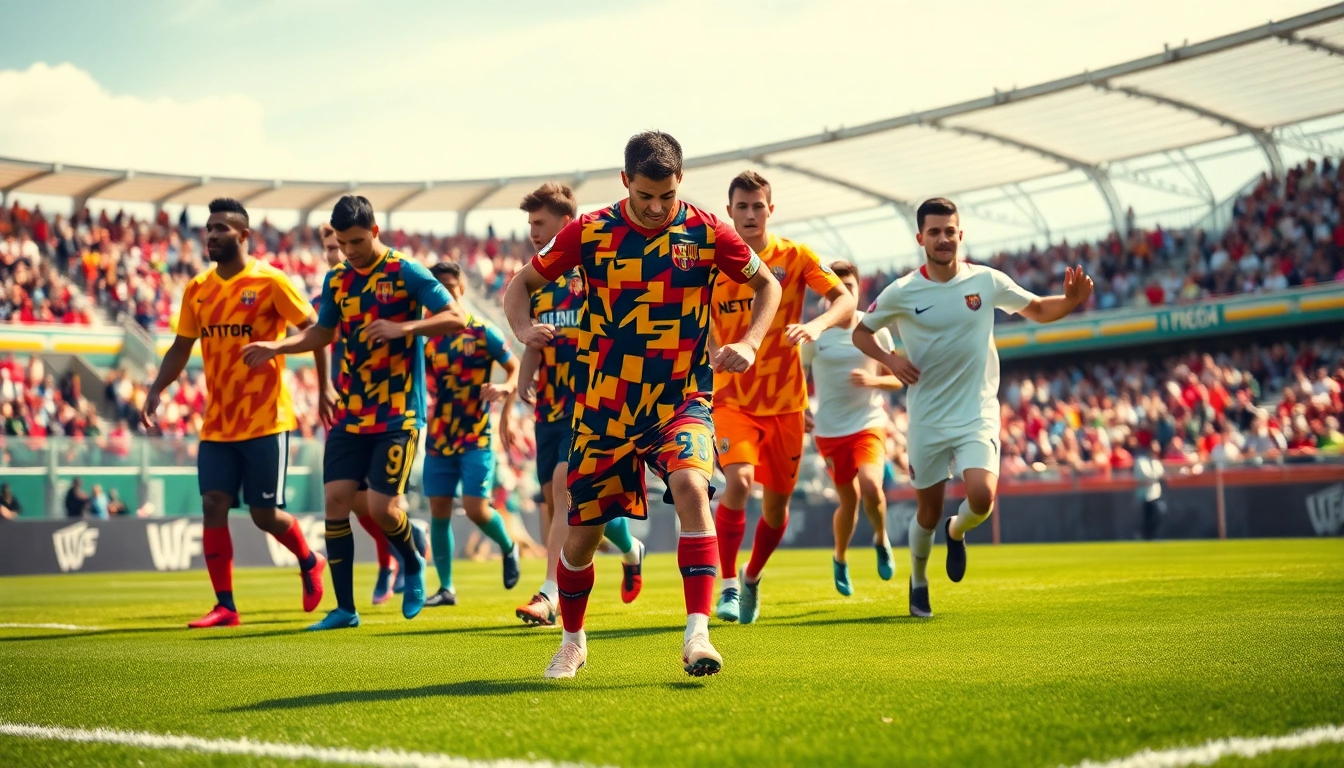
Understanding Team Kit Essentials
In the world of sports, a well-designed Team kit is more than just a uniform. It serves as a representation of team identity, promotes solidarity among players, and can even enhance performance. To make informed decisions about your team’s attire, it’s critical to delve into the essential components, materials used, and the importance of fit. This comprehensive guide will walk you through everything you need to know.
Components of Team Kit
The standard components of a team kit typically include jerseys, shorts, socks, and occasionally, additional items like jackets, training tops, and accessories. Here’s a breakdown of what each component contributes to the overall team presentation:
- Jerseys: The most visible component, jerseys come in various designs and styles. They often feature the player’s number and name, and can also showcase the team logo and sponsor branding, providing instant recognition.
- Shorts: These are crafted for comfort and mobility, ensuring players can perform effectively on the field. The fit and length can vary by the sport and personal preferences.
- Socks: Often overlooked, socks play a vital role in both comfort and aesthetics. Adequate padding and moisture-wicking materials help in keeping players comfortable during matches.
- Accessories: Items such as jackets, base layers, and bags can enhance player performance and comfort, especially during differing weather conditions and travel situations.
Material Types and Their Benefits
Not all fabrics are created equal when it comes to sportswear. The choice of materials directly influences player comfort, durability, and performance. The most common fabric types include:
- Polyester: Known for its strength and durability, polyester blouses are breathable and moisture-wicking, making them ideal for intense physical activity.
- Cotton: While comfortable, cotton absorbs moisture without releasing it, making it less ideal for high-action sports compared to synthetic materials.
- Nylon: Extremely durable and resistant to abrasions, nylon is often used in team kit components that require additional strength.
- Spandex: Used in combination with other materials, spandex provides flexibility and enables a full range of motion, essential for athletes.
Size and Fit Considerations
A perfect fit can enhance a player’s performance by allowing optimal movement and comfort. Here are some important factors to consider:
- Size Charts: Always refer to manufacturer size charts. Measurements may vary, so measuring chest, waist, and inseam is crucial for selecting the correct size.
- Fit Type: Consider whether players prefer a fitted, loose, or regular fit; this can vary per sport and individual comfort levels.
- Adjustability: Features like elastic waistbands and adjustable hems help ensure that kits can be altered for a secure fit.
The Importance of Branding in Team Kit
Branding goes beyond a logo. It encapsulates a team’s values, colors, and identity, helping to foster a sense of belonging and pride among its members. Understanding the nuances of branding in team kits can significantly enhance a team’s image and unity.
Logo Placement and Customization
The placement of a team’s logo is critical for visibility and branding purposes. Here are the primary considerations for logo placement:
- Visibility: The most common placement is directly on the chest area, where it is easily seen by spectators and cameras.
- Size and Scale: Ensuring the logo is appropriately sized to maintain clarity and prominence without overshadowing the overall design is essential.
- Customization Options: Some teams opt for custom designs, allowing players to have their names and numbers prominently displayed, enhancing team unity and personalization.
Color Psychology in Sports Uniforms
Colors evoke emotions and can influence perceptions. Here’s how color psychology plays a role in sports uniforms:
- Team Identity: Colors can foster a strong sense of identity. Teams often choose colors that hold personal significance or reflect community values.
- Opponent Influence: Some research suggests that teams wearing darker colors may be perceived as more dominant, which can psychologically impact opponents.
- Visibility: Bright colors may enhance visibility on the field, which can be a tactical advantage, especially during play.
Building Team Identity Through Design
Design elements such as stripes, patterns, and unique color combinations can create a memorable image. To effectively build team identity, consider:
- Unique Elements: Incorporating distinct patterns or features can help your team stand out without losing uniformity.
- Historical Inspiration: Drawing from historical designs can foster continuity and a deeper connection to team heritage.
- Fan Engagement: Involving fans in the design process or launching design contests can boost morale and fostering community support.
Budgeting for Your Team Kit
As with any purchase, budgeting for your team kit is essential to ensure you get quality without overspending. Understanding the balance between cost and value is key.
Cost Comparison of Different Kits
The cost of team kits varies significantly based on material quality, brand reputation, and customization levels. Here’s how to navigate pricing:
- Basic vs. Premium: Basic kits are more affordable but may lack durability, while premium kits often offer better performance and longevity.
- Bulk Discounts: Purchasing in bulk can yield significant savings, so consider team sizes when placing orders.
- Hidden Costs: Don’t forget to factor in shipping, customization, and possible alteration fees into your budget.
Understanding Value vs. Price
Price alone does not equate to value. Here’s how to determine the best value for your investment:
- Durability: Assess the longevity of materials used, as higher-quality items may initially cost more but offer better wear over time.
- Functionality: Kits that improve player performance are often worth higher costs, so look for features such as moisture control and breathability.
- Brand Reputation: Investing in brands with positive customer feedback can lead to peace of mind regarding quality and support.
Long-term Investment in Quality Kits
Choosing to invest in quality kits can pay dividends over time. Here’s why:
- Fewer Replacements: Superior materials and craftsmanship reduce the frequency of replacements needed, leading to long-term savings.
- Enhanced Performance: Athletes performing at their best can lead to better outcomes for the team, making the investment justifiable.
- Brand Perception: A high-quality appearance can elevate a team’s image, enhancing sponsorship opportunities and fan engagement.
Maintenance and Care of Team Kit
To prolong the life of your Team kit, proper maintenance is essential. Understanding how to care for uniforms can prevent premature wear and tear.
Washing and Drying Recommendations
The washing process can greatly impact the longevity of your kit. Here are key washing tips:
- Cold Water Wash: Always opt for cold water, which is gentler on fabrics as opposed to hot water that can shrink materials.
- Mild Detergents: Use a detergent free from harsh chemicals and optical brighteners to maintain colors and fabric integrity.
- Airdry over Heat: Air drying is recommended over using a dryer, as high temperatures can damage elastic fibers and fade colors.
Stain Removal Techniques
As with any clothing item, stains are inevitable. Here’s how to tackle them effectively:
- Act Quickly: The sooner you treat a stain, the more likely it is to come out. Blot, don’t rub, to avoid pushing the stain deeper.
- Test Cleaners: Always test any stain removers on a small, inconspicuous area of the fabric to ensure it won’t cause discoloration.
- Common Solutions: Simple solutions like vinegar for grass stains or baking soda for sweat stains can often yield results.
Storage Tips for Longevity
How you store your team kit can also impact its lifespan. Follow these storage suggestions:
- Cool, Dry Place: Store uniforms in a cool, dry area to prevent mold and mildew from developing.
- Avoid Folding: Instead, hang kits or keep them flat to avoid creasing and potential fabric stretch.
- Regular Checks: Regularly check your kits for any signs of wear or damage to address issues before they worsen.
Future Trends in Team Kit Design
The sportswear industry is evergreen, with new trends constantly emerging. By staying informed, teams can maintain their appeal and relevance.
Sustainable Materials in Team Kits
As awareness about environmental issues grows, many organizations now prioritize sustainability in their team kits. Here’s how:
- Eco-Friendly Fabrics: Considerations may include recycled polyester, organic cotton, and other sustainable materials for manufacturing.
- Reduced Waste: Designing kits with minimal waste in mind not only helps the environment but also can attract eco-conscious fans and sponsors.
- Transparency: Teams that share information about their environmental impact can build credibility and loyalty with fans.
Technological Advancements in Sportswear
Technology plays a significant role in the evolution of sports kits. Here are some exciting advancements:
- Smart Fabrics: Fabrics that can monitor body temperature and adjust breathability based on performance conditions.
- Moisture-Wicking Innovations: Continuous developments are making fabrics more effective at managing sweat and temperature control.
- 3D Printing: This technology can lead to customization options that allow for bespoke fits and features.
The Shift Towards Customization and Personalization
Customization is booming, allowing for even greater engagement from teams and their supporters. Here’s how this trend is shaping the future:
- Individualized Designs: Teams can now implement unique designs that reflect individual player personas, enhancing morale and team spirit.
- Fan Interaction: Offering customization options can engage fans, allowing them to express their support uniquely, such as through personalized jerseys.
- Community-Driven Designs: Inviting community input in the design process can forge deeper connections between teams and their regions.