
 By admin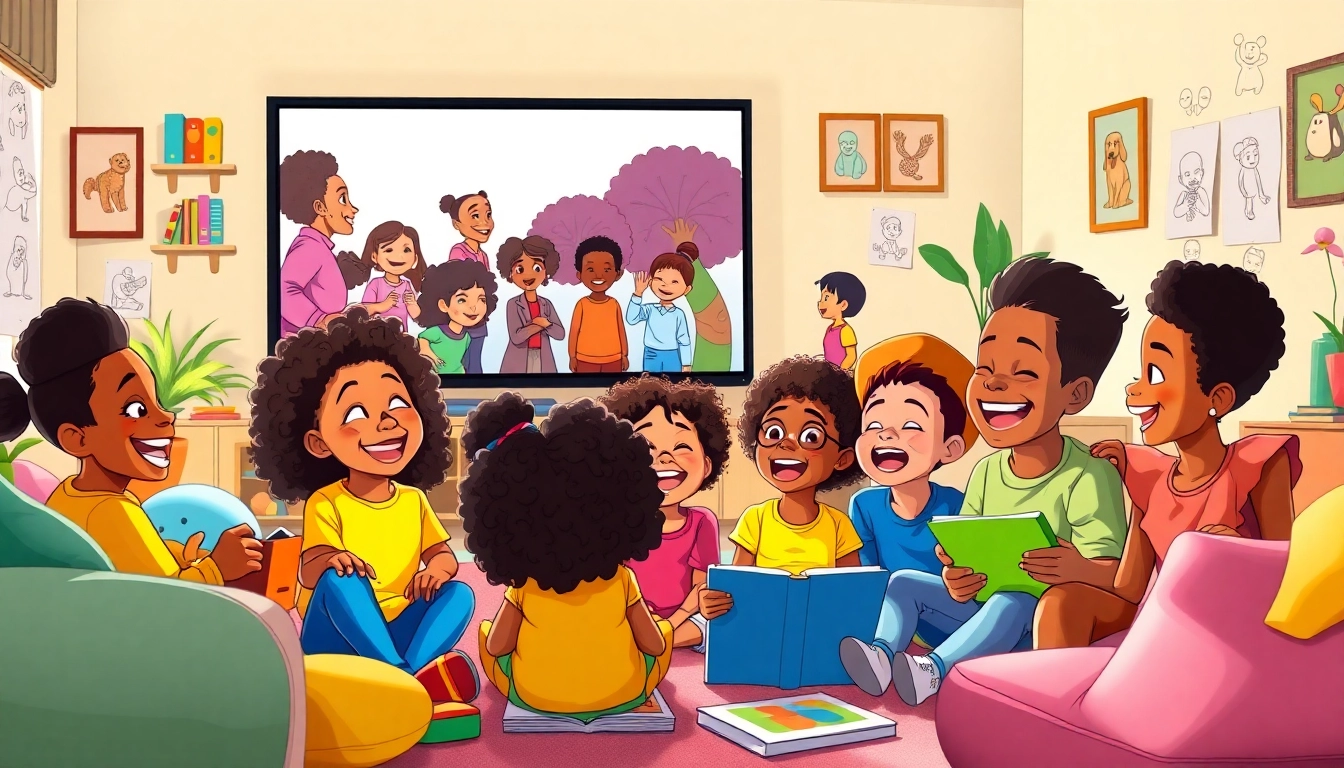
Understanding African American Cartoons
The world of animation has always been a powerful medium for storytelling, and African American cartoons stand out as crucial reflections of culture, identity, and creativity. Over the decades, these animated series have provided entertainment while simultaneously educating audiences about the rich tapestry of African American history and experiences. With a diverse range of characters who embody traits, values, and experiences unique to the African American community, these shows serve not just to amuse, but to inspire and empower viewers of all ages. When exploring options, African American Cartoons offer a treasure trove of narratives that resonate deeply within the cultural landscape.
Historical Context and Evolution
The journey of African American cartoons traces back to the early 20th century, a time when representation in media was sparse and often negative. Early characters like “Jumpin’ Jack” and “Bingo” were often steeped in racial stereotypes. However, as the civil rights movement gained momentum in the 1960s, so too did the demand for authentic representation. This led to the emergence of groundbreaking shows like “Fat Albert and the Cosby Kids,” which portrayed realistic childhood experiences in African American neighborhoods, setting a precedent for future animations. The 1990s and early 2000s saw a surge in visibility with shows like “The Proud Family” and “The Boondocks,” which not only entertained but provided social commentary on racial issues, class, and identity.
The Importance of Representation in Animation
Representation in animation is vital for fostering understanding and empathy among viewers. African American cartoons play a crucial role in shaping perceptions and dismantling stereotypes. They allow children and adults alike to see characters that look like them, reflecting their lives and experiences, thus validating their identities. This representation is essential not only for African Americans but for all viewers, as it promotes diversity and encourages acceptance of differences. As cultural ambassadors, these cartoons help bridge gaps between communities, fostering a greater sense of interconnectedness.
Key Features of African American Cartoons
- Authentic Storytelling: Many African American cartoons present stories rooted in the real-life experiences of their characters, often highlighting cultural traditions, values, and the struggles faced by the community.
- Diverse Characters: These shows feature a wide array of characters, from everyday kids to historical figures, ensuring representation across age groups, genders, and backgrounds.
- Engaging Humor: Utilizing humor that resonates particularly with African American culture, these cartoons often employ clever wordplay, cultural references, and relatable scenarios that engage audiences emotionally.
- Social Commentary: Many African American cartoons tackle serious themes — from systemic racism to economic disparity — providing a platform for education and discussion.
Top African American Cartoons of 2026
The landscape of African American animation continues to evolve, showcasing a blend of nostalgia and innovation. In 2026, various animated series are captivating audiences, combining entertainment with educational value.
Must-Watch Animated Series for Kids
- Craig of the Creek: This series highlights adventures of a young African American boy and his friends as they navigate their suburban neighborhood, emphasizing friendship and problem-solving.
- Doc McStuffins: Focused on a young African American girl aspiring to be a doctor, this show empowers young viewers while promoting health awareness and kindness.
- The Proud Family: Louder and Prouder: A reboot of the beloved classic, it continues to delve into family dynamics and contemporary social issues through a humorous lens.
Groundbreaking Cartoons for Adults
- The Boondocks: Satirical and sharp, this series offers a critical commentary on race relations and social issues, appealing to an adult audience.
- Black Dynamite: Based on the blaxploitation film, this animated series blends action and humor while satirizing both the genre and societal stereotypes.
- Big Mouth: With a diverse cast and themes of adolescence, this adult animated series tackles puberty and identity while incorporating relatable experiences.
Latest Releases Worth Watching
As we move through 2026, numerous new titles emerge that continue the legacy of African American animation:
- Motown Magic: An enchanting series introducing younger audiences to the rhythm of Motown while promoting creativity and artistic expression.
- Adventure with Tip and Oh: This show follows a young girl and her alien friend exploring the world together, celebrating diversity and the power of friendship.
- Gracie’s Corner: Aimed at preschoolers, this series emphasizes learning through music and stories that reflect African American culture and values.
Iconic Characters and Their Impact
Characters in African American cartoons often become cultural icons, influencing generations of viewers with their stories and charm.
Beloved Black Cartoon Characters
- Huey and Riley Freeman: From “The Boondocks,” these brothers embody different perspectives on societal issues, sparking discussions on race and identity.
- Penny Proud: The teenage protagonist of “The Proud Family,” Penny is known for her resilience and determination to navigate adolescence while staying connected to her heritage.
- Fat Albert: Representing friendship and community, Fat Albert and his friends, created by Bill Cosby, have remained influential figures in cartoons since their inception.
Character Development Across Genres
Across various genres, the development of African American characters illustrates the nuanced approaches to storytelling in animation. Characters are often multi-dimensional, showcasing the complexities of their environments, aspirations, and challenges. This depth not only garners relatability but also an emotional investment from audiences, ensuring these characters remain memorable long after the credits roll.
The Role of Voice Actors in Shaping Narratives
Voice actors bring life to animated characters, and many African American cartoons feature talented performers who infuse their roles with authenticity. Their portrayal adds nuances to character arcs, making them more relatable and grounded. For instance, the contributions of voice actors like Regina King and Phil LaMarr have elevated the narratives of their respective characters, enhancing the cultural relevance and emotional depth of the shows.
Promoting Cultural Awareness Through Animation
Animation serves as a vital tool for promoting cultural awareness, particularly through African American cartoons that delve into rich historical narratives.
Cartoons That Highlight African American History
- Little Bill: This series captures the essence of childhood while incorporating lessons about African American history and culture.
- Motown Magic: Apart from its entertaining stories, it educates viewers about the significant impact of the Motown music era on American culture.
- Doc McStuffins: By showcasing a young African American girl as a doctor, it inspires children to pursue aspirations in traditionally underrepresented fields.
Educational Benefits of Diverse Cartoons
Diverse cartoons contribute significantly to early childhood education. Kids who engage with stories reflecting varied backgrounds learn to appreciate differences, promoting inclusivity from an early age. Furthermore, they enhance critical thinking and problem-solving skills as children navigate complex themes presented in an accessible manner.
How Cartoons Foster Empathy and Understanding
Animation has the unique ability to present narratives that resonate emotionally. African American cartoons provide pathways to discussions on race, identity, and culture, fostering empathy and understanding among diverse audiences. By experiencing these stories, viewers develop a greater appreciation for the struggles and triumphs that shape human experiences.
The Future of African American Animation
As we delve into the future of African American animation, various trends are emerging that promise to shape the industry significantly.
Emerging Trends in Animation (2026 and Beyond)
- Increased Focus on Authentic Voices: As the demand for authenticity rises, studios are prioritizing hiring creators from diverse backgrounds to ensure stories reflect genuine experiences.
- Interactive Storytelling: The integration of technology and gaming into animation is paving the way for interactive experiences that allow viewers to engage with narratives in unprecedented ways.
- Hybrid Animation Techniques: The blending of traditional animation with CGI and 3D elements is becoming more common, allowing for richer storytelling aesthetics.
Innovative Storytelling Techniques
Storytelling is evolving with the incorporation of innovative techniques that engage audiences beyond traditional narratives. Techniques like nonlinear storytelling and immersive experiences are being embraced to draw viewers into the emotional core of the characters’ journeys, particularly in African American cartoons, where cultural richness provides endless storytelling potential.
The Role of Technology in Future Productions
Technology is reshaping animation production, making it more accessible for creators from diverse backgrounds. Advanced software and platforms allow independent animators to tell their stories without the constraints of mainstream industry demands. This democratization of the filmmaking process is likely to yield a broader range of voices and stories, enriching the landscape of African American animation.