
 By admin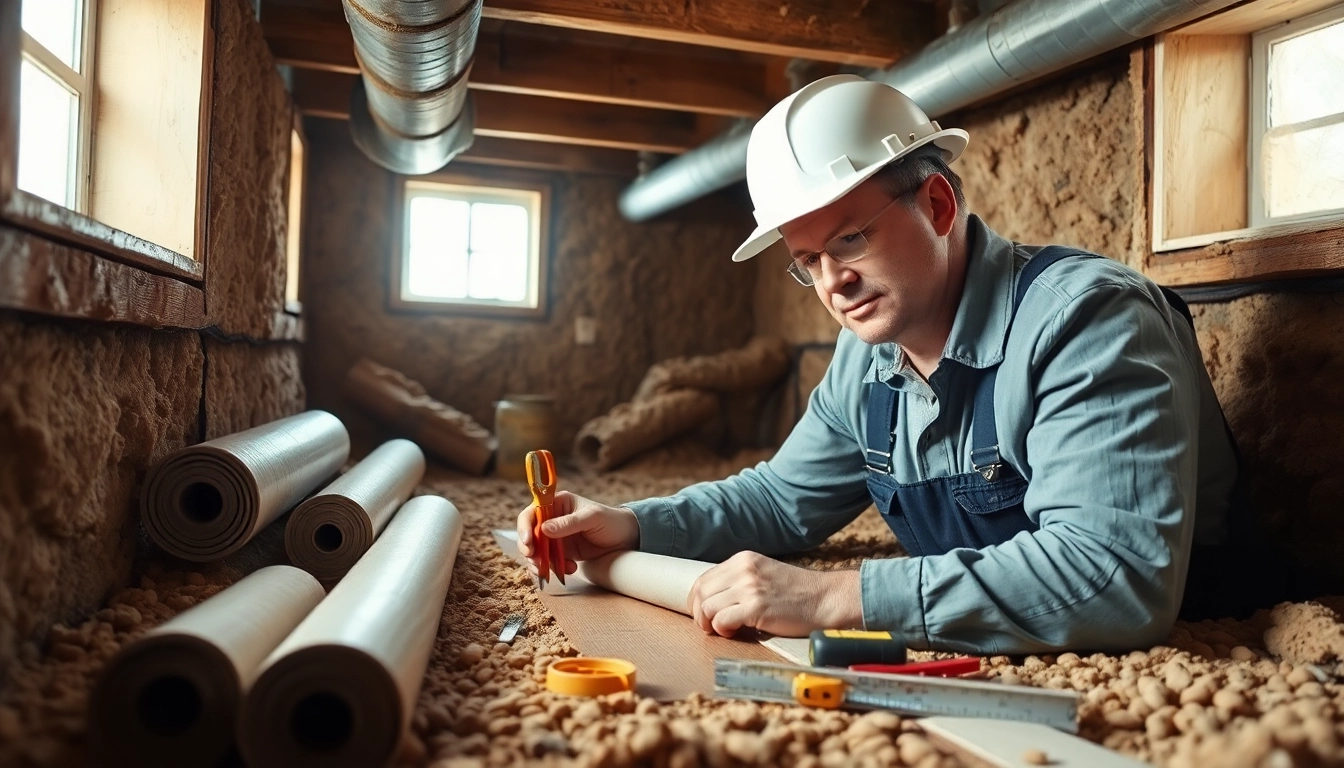
Understanding Vapor Barrier Installation
What is a Vapor Barrier?
A vapor barrier is a material that is designed to prevent moisture from passing through walls, floors, and ceilings. These barriers are typically made from polyethylene or similar materials and are essential for maintaining a dry environment in spaces prone to dampness, such as crawl spaces and basements. By acting as a shield, vapor barriers safeguard your home from mold growth, structural damage, and increased energy costs.
Importance of Vapor Barrier Installation
The importance of proper Vapor Barrier Installation cannot be overstated. Without proper installation, your home becomes susceptible to moisture damage which can lead to a range of issues, including mold infestations, wood rot, and decreased air quality. A well-installed vapor barrier protects your investment by enhancing the overall air quality, extending the lifespan of your home, and improving energy efficiency.
Common Myths about Vapor Barriers
There are several misconceptions surrounding vapor barriers that can mislead homeowners:
- Myth 1: All vapor barriers are created equal. In reality, different materials offer varying levels of efficiency and durability.
- Myth 2: A vapor barrier isn’t necessary if you have a dehumidifier. While dehumidifiers help, they do not eliminate the need for a barrier.
- Myth 3: Installing a vapor barrier will trap moisture. Proper installation allows moisture to escape while blocking moisture ingress.
Preparing for Vapor Barrier Installation
Assessing Your Crawl Space Conditions
Before starting the installation, assess the conditions of your crawl space thoroughly. Key factors to consider include the current moisture levels, existing insulation, and potential sources of water intrusion such as leaks or drainage issues. Utilize a moisture meter to gauge humidity and pinpoint trouble spots that may need special attention.
Gathering Necessary Tools and Materials
Proper preparation is key to a successful installation. Here’s a list of tools and materials you’ll need:
- High-density polyethylene sheet (preferably 10-12 mil thick)
- Utility knife or scissors for cutting the barrier
- Stapler or adhesive to secure edges
- Plastic sheeting or tape for seams
- Measuring tape and ground tarp
- Protective gear such as gloves and a mask to ensure safety.
Safety Precautions before Installation
Installing a vapor barrier involves working in potentially hazardous areas. Ensure you take the following safety precautions:
- Wear protective eyewear, gloves, and a mask to guard against dust and debris.
- Ensure adequate lighting in the crawl space to prevent accidents.
- Check for any electrical hazards or sharp objects that could cause injury.
- Work with a partner if possible, to provide assistance and support.
Step-by-Step Process of Vapor Barrier Installation
Removing Existing Materials
Before installing a new vapor barrier, it is vital to remove any old materials that could hinder effectiveness. Clear out debris, old tarps, or any damp insulation that could trap moisture. Ensure the ground is level and clean, as this will create a solid base for the new barrier.
Efficient Installation Techniques
Once your workspace is prepared, follow these steps for efficient installation:
- Measure and Cut: Use your measuring tape to determine the necessary dimensions of the vapor barrier. Cut the polyethylene sheeting to the required size.
- Lay the Barrier: Start at one corner and unfold the barrier, covering the entire area. Ensure it extends up the walls of the crawl space to create a continuous barrier.
- Secure the Edges: Use staples or adhesive to secure the edges firmly to the walls and floor. Pay special attention to corners and seams, reinforcing them to prevent moisture from seeping through.
Sealing and Finishing Touches
After laying out the barrier, it’s crucial to seal the seams to ensure a watertight environment. Use specialized tape or adhesive for polyethylene to secure all overlaps. Inspect the installation thoroughly for any gaps or openings and address them immediately. Finally, trim any excess material to maintain a clean and professional finish.
Maintaining Your Vapor Barrier
Regular Inspection Practices
To ensure long-term effectiveness, regular inspections of your vapor barrier are vital. Inspect it annually or biannually, checking for signs of damage, tearing, or deterioration. Additionally, ensure that the surrounding areas, such as gutters and drainage systems, are functioning well to prevent future water intrusion.
Signs of Wear or Failure
Being aware of signs that your vapor barrier may be failing is crucial. Look for:
- Mold growth in the crawl space
- Musty odors suggesting hidden moisture
- Visible standing water or sogginess in the area
- Cracks in the walls or foundation, possibly indicating excess moisture.
Repairing Damaged Barriers
If you discover damage during your inspections, address it promptly to avoid more significant issues. For small tears, a patch using polyethylene sheeting and adhesive can be effective. For more extensive damage, consider replacing the affected section of the barrier entirely. Ensuring a complete seal will prolong the life of your installation.
Choosing Professional Help for Vapor Barrier Installation
When to Hire a Professional
While DIY installations can be successful, certain scenarios call for professional assistance. If your crawl space exhibits ongoing moisture issues, extensive damage has occurred, or if you are unsure about the best materials to use, hiring a professional may save you time and future costs.
Finding the Right Contractor
When searching for a contractor, consider the following factors:
- Check for local reviews, ratings, and references from past clients.
- Ensure the contractor is licensed and insured.
- Request multiple quotes and ask about the materials and methods they use.
- Inquire about their warranty on work and materials.
Assessing Installation Costs and ROI
The cost of professional vapor barrier installation can vary greatly based on local labor rates, size of the area, and the complexity of the job. However, investing in a proper installation often pays off in the long run by enhancing energy efficiency, preventing damage, and protecting your home’s value. Consider the estimated return on investment based on potential savings in energy bills and maintenance costs.
FAQs
What is the best material for vapor barrier installation?
High-density polyethylene (poly) is often recommended due to its durability and moisture resistance.
How thick should a vapor barrier be?
A typical thickness for vapor barrier installation is 6 mil, but 10-12 mil options provide added strength.
Can I install a vapor barrier over dirt?
Yes, a vapor barrier is especially important over dirt floors to prevent moisture from rising into the home.
How often should I replace my vapor barrier?
Inspect your vapor barrier every few years; replacement might be needed if it’s torn, damaged, or showing signs of moisture.
Will a vapor barrier reduce my energy bills?
Yes, vapor barriers can enhance energy efficiency by reducing heat loss due to moisture, ultimately lowering utility costs.